Berlin Mayor Kai Wegner Opts Out of Reelection Bid Amidst Public Scrutiny
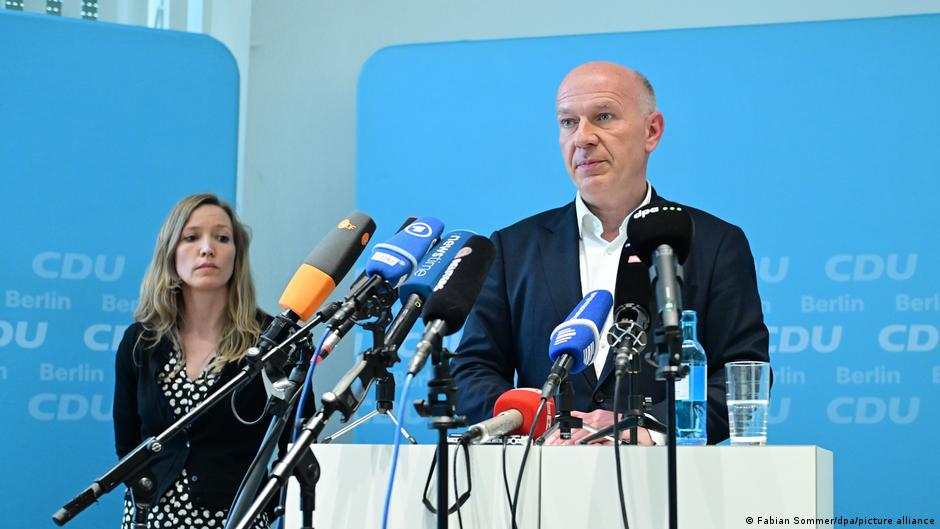
Berlin Mayor Kai Wegner, a prominent member of Chancellor Friedrich Merz's center-right Christian Democratic Union (CDU), has declared his intention not to run for reelection in the forthcoming Berlin state election scheduled for September. The announcement, made on a Friday afternoon, saw Wegner affirm his commitment to remain in office until the election, stating, "I was elected as Mayor."
Wegner has led a coalition comprising conservatives and center-left social democrats since April 2023. His tenure has recently been marked by negative press, particularly concerning his actions during a significant power outage that affected a considerable portion of the German capital earlier this year.
Reputational Challenges Following Berlin Power Outage
On January 3, 2026, a widespread power outage impacted the southwestern districts of Berlin. The incident was attributed to an arson attack on high-voltage cables by unknown perpetrators. This event left approximately 45,000 households without electricity and heating during a period of sub-zero temperatures. It took over four days to restore power to all affected residents, making it the longest such outage in the city since the end of World War II. Around 100,000 individuals were impacted by the disruption.
The power failure severely affected not only private residences but also essential services, including hospitals, schools, and critically, nursing homes, necessitating the evacuation of elderly residents to heated shelters. Initially, the far-left extremist group "Vulkangruppe" claimed responsibility for the attack, though they later retracted their statement. The incident ignited a broader discussion regarding the security of Berlin's critical infrastructure and the city's preparedness for crisis response.
Controversy Over Mayor's Conduct During Crisis
During the critical period of the power outage, Mayor Kai Wegner faced scrutiny for his decision to play tennis. He only acknowledged this activity after persistent questioning from journalists. Wegner maintained that he remained accessible throughout the crisis and had coordinated the city's relief efforts via telephone. However, his accounts were often perceived as inconsistent, with information being disclosed only after media investigations. This led to a significant dent in his public image, as many felt that Berlin's chief political figure had not adequately addressed the city's most severe power outage since World War II.
Further revelations this week indicated that Wegner's claims of managing the situation by phone on the day of the outage were overstated, with subsequent reports suggesting only a few text messages were exchanged. This development reportedly exhausted the patience of even his conservative allies. The Junge Union, the CDU's youth organization, publicly called for Wegner to withdraw his candidacy for the September election, a demand echoed by other CDU members in an open letter.
With Wegner's withdrawal, the question of who will represent the CDU in the upcoming September election remains open. The controversies surrounding the mayor are believed to have contributed to a decline in the CDU's standing in recent polls, where the party has reportedly fallen to fourth place, trailing behind the socialist Left Party, the environmentalist Greens, and the far-right Alternative for Germany (AfD). Given these circumstances, it is considered unlikely that Wegner will be able to simply continue in his mayoral role until the election as initially announced.
Source: Original Article