A New Purpose for Post-War Architecture
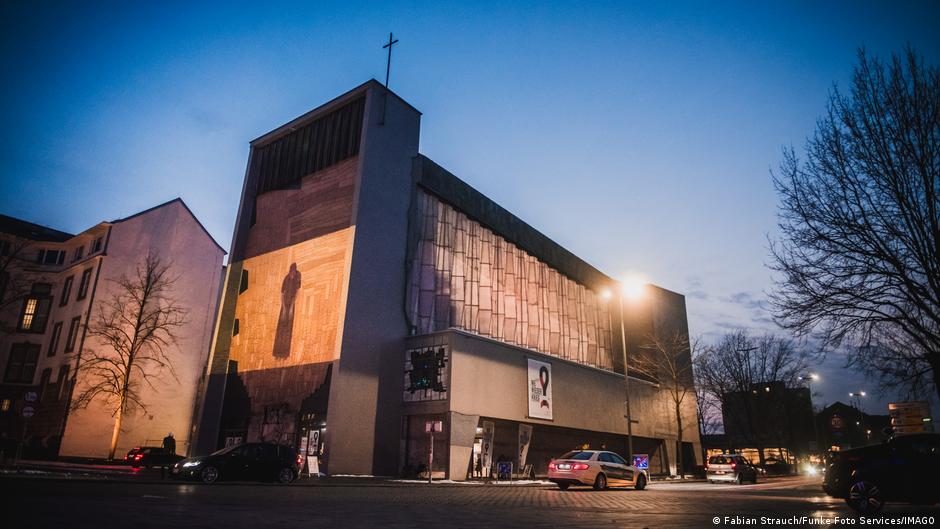
In the aftermath of World War II, Germany embarked on a significant reconstruction effort, which included the erection of approximately 1,000 new churches within the Ruhr region alone. These architectural endeavors were crucial in re-establishing community centers and spiritual solace in a landscape scarred by conflict. Decades later, however, many of these structures now stand vacant, reflecting shifts in demographics and religious practices. The contemporary art exhibition Manifesta is spearheading an initiative to breathe new life into these dormant buildings, transforming them into dynamic venues for artistic expression and public engagement.
The Legacy of Reconstruction
The period following World War II saw an urgent need for rebuilding across Germany. Beyond residential and industrial infrastructure, the construction of churches played a vital role in the spiritual and social healing of the nation. Architects of the era were tasked with designing spaces that were both functional and symbolic, often employing modern materials and innovative designs that diverged from pre-war ecclesiastical architecture. These churches, while perhaps less ornate than their historical counterparts, represented resilience and hope for the future. They served as central gathering places, fostering community bonds and offering a sense of normalcy in turbulent times. Their design often reflected the pragmatic and forward-looking spirit of post-war Germany, utilizing concrete, steel, and glass to create spaces that were both austere and inspiring.
The Challenge of Empty Sanctuaries
Today, the landscape of religious observance in Germany has evolved significantly. A decline in church attendance, coupled with demographic shifts and changing societal values, has led to a considerable number of these post-war churches becoming redundant. Maintaining these large structures, often with dwindling congregations and limited financial resources, presents a significant challenge for religious institutions. Many have faced difficult decisions regarding the sale, demolition, or repurposing of these buildings. The potential loss of these architectural landmarks, which represent a distinct period in German history and design, has prompted various discussions on how to preserve their legacy and find sustainable new uses for them.
Manifesta's Innovative Approach
The Manifesta biennial, known for its nomadic nature and focus on engaging with specific local contexts, has identified these vacant churches as ideal sites for its artistic interventions. By utilizing these spaces, Manifesta not only provides unique backdrops for contemporary art but also draws attention to the architectural heritage and socio-cultural history embedded within these buildings. This approach offers a symbiotic relationship: the art gains a compelling and often poignant setting, while the churches receive renewed public attention and a temporary, yet significant, reprieve from disuse. The transformation of these sacred spaces into secular art venues encourages a re-evaluation of their purpose and potential, prompting visitors to consider both their past and future roles within the community.
Art as a Catalyst for Reimagination
The integration of contemporary art into these historic, albeit modern, structures creates a powerful dialogue between different eras and forms of human expression. Art installations, performances, and exhibitions within these church settings can challenge conventional perceptions of both art and religious architecture. The soaring ceilings, stained-glass windows, and often minimalist designs of post-war churches offer unique acoustics and visual environments that can enhance the impact of artistic works. This initiative by Manifesta demonstrates a creative model for urban regeneration and cultural preservation, suggesting that even buildings designed for a specific purpose can find new relevance through adaptive reuse. It highlights the potential for cultural events to act as catalysts for community engagement, drawing diverse audiences into spaces they might not otherwise visit, and fostering new interpretations of their architectural and historical significance.
Looking Ahead: The Future of Repurposed Spaces
The Manifesta project in the Ruhr region serves as a compelling case study for how cultural initiatives can address the challenges of architectural obsolescence. By showcasing the adaptability of these post-war churches, the biennial not only preserves their physical presence for a period but also sparks broader conversations about urban planning, heritage, and the evolving role of public spaces. The success of such projects could inspire similar endeavors in other regions facing analogous issues with underutilized buildings, demonstrating that creative solutions can transform challenges into opportunities for cultural enrichment and community revitalization. The temporary reinvention of these churches through art offers a glimpse into a potential future where historical structures continue to serve public good, albeit in novel and unexpected ways.
Source: Original Article