Mexico's Deep-Seated Connection to the FIFA World Cup
Mexico's history with the FIFA World Cup is both rich and extensive, making its upcoming role as a co-host for the 2026 tournament a significant event. The nation has previously hosted the prestigious competition on two occasions, in 1970 and 1986, distinguishing itself as the first country to achieve this feat. These past tournaments are deeply etched into the collective memory of football fans, marked by iconic moments and legendary performances. The 1970 World Cup, in particular, is often lauded as one of the greatest ever, showcasing the brilliance of Pelé's Brazil and introducing color television broadcasts to a global audience for the first time. The vibrant atmosphere and passionate support from Mexican fans during these events set a high standard for host nations.
The decision to award Mexico a significant portion of the matches for the 2026 World Cup, alongside the United States and Canada, reflects not only its proven capability to organize large-scale international events but also the profound cultural significance of football within the country. This deep connection is evident in the widespread enthusiasm already building across Mexico, with cities preparing to welcome an influx of international visitors and showcase their unique cultural heritage.
Anticipation and Early Feedback from the Global Community
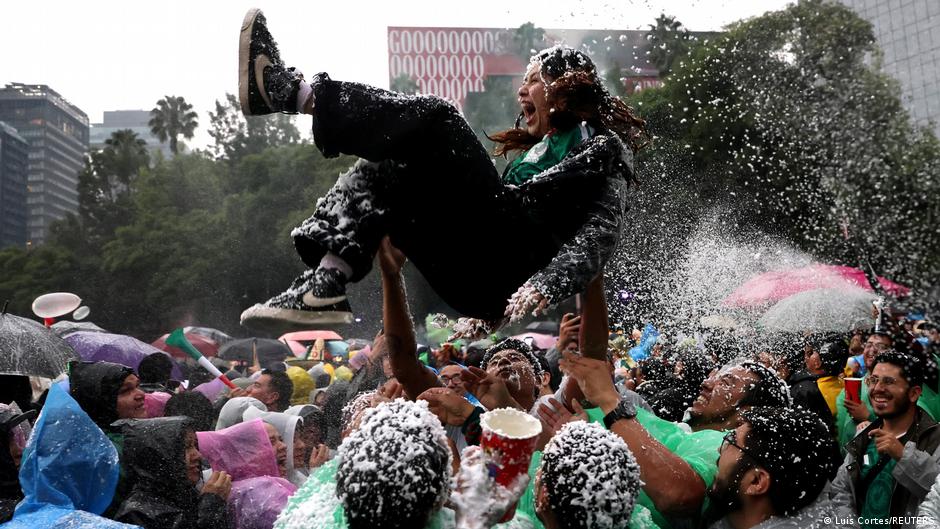
Even in the lead-up to the 2026 tournament, there is a palpable sense of anticipation and positive sentiment surrounding Mexico's hosting duties. Early indications from football enthusiasts and international observers suggest a strong appreciation for the country's approach. Reports and anecdotal evidence from those who have visited or are planning to attend indicate a particular fondness for the atmosphere that Mexico is expected to provide. This sentiment often highlights the distinct cultural experience that Mexican cities offer, characterized by lively celebrations, warm hospitality, and a deep-seated passion for the sport that permeates daily life.
This positive feedback often draws comparisons with the other co-host nations, with some expressing a preference for the potential experience in Mexico. While all host nations bring their unique strengths, the cultural immersion and fervent football culture in Mexico are frequently cited as particularly appealing. The prospect of experiencing World Cup matches within such a vibrant and historically significant footballing nation is a major draw for many, contributing to a growing narrative that positions Mexico as a standout host.
Logistical Considerations and Infrastructural Preparedness
Hosting a FIFA World Cup is an undertaking of immense complexity, demanding robust infrastructure and meticulous logistical planning. Mexico's experience from its previous hosting stints provides a valuable foundation, but the 2026 tournament presents new challenges given its expanded format and multi-national hosting arrangement. The selected host cities in Mexico are actively engaged in upgrading stadiums, improving transportation networks, and enhancing hospitality services to meet the stringent requirements set by FIFA.
Stadiums like the iconic Estadio Azteca in Mexico City, which will make history as the first stadium to host three World Cup opening matches, are undergoing significant renovations to modernize facilities while preserving their historic essence. Beyond the stadiums, urban infrastructure, including public transport, accommodation options, and public safety measures, are critical areas of focus. The Mexican government and local organizing committees are working in close coordination to ensure that all logistical aspects are seamlessly managed, aiming to provide a smooth and enjoyable experience for all attendees, from teams and officials to the millions of fans expected to travel.
The Economic and Social Impact of Hosting the World Cup
The economic benefits of hosting an event of the World Cup's magnitude are substantial, extending across various sectors. Tourism, hospitality, and retail are expected to see significant boosts, generating revenue and creating employment opportunities. The influx of international visitors will stimulate local economies, particularly in the host cities, through spending on accommodation, dining, transportation, and cultural activities. Beyond the immediate economic gains, hosting the World Cup offers a unique platform for Mexico to showcase its culture, heritage, and modern advancements to a global audience, potentially leading to long-term increases in tourism and foreign investment.
Socially, the tournament is anticipated to foster a sense of national pride and unity. Major sporting events often serve as catalysts for community engagement, inspiring future generations of athletes and strengthening social bonds. The shared experience of hosting and participating in such a globally celebrated event can leave a lasting positive legacy, enhancing Mexico's international standing and reinforcing its identity as a welcoming and vibrant nation.
Looking Ahead: Mexico's Role in the Unified World Cup
As the 2026 FIFA World Cup approaches, Mexico's role as a co-host continues to garner significant attention and positive anticipation. The blend of its rich footballing history, passionate fan base, and ongoing preparations positions the country as a key component of the unified tournament. While the distribution of matches across the three host nations is a subject of ongoing discussion, the enthusiasm surrounding Mexico's contribution underscores its importance to the overall success and atmosphere of the event. The country is not merely preparing to host games; it is preparing to deliver an unforgettable World Cup experience, characterized by its unique cultural flair and unwavering love for the beautiful game.
Source: Original Article