Introduction to the Roundup Controversy
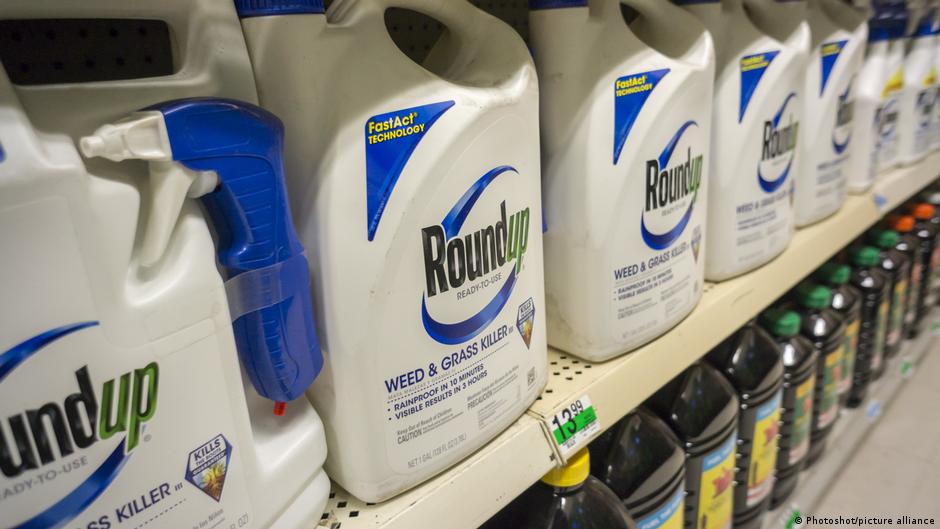
Bayer, a prominent pharmaceutical and life sciences company, has been embroiled in extensive legal disputes surrounding its popular herbicide, Roundup. The core of these lawsuits centers on claims that the product, containing the active ingredient glyphosate, causes cancer and that Bayer failed to adequately warn consumers about these potential risks. This ongoing litigation has placed considerable financial and reputational pressure on the company, raising questions about corporate responsibility and the efficacy of regulatory frameworks.
The Acquisition and its Aftermath
The current legal quagmire largely stems from Bayer's acquisition of Monsanto in 2018 for approximately $63 billion. Monsanto, the original developer and manufacturer of Roundup, had already faced a growing number of lawsuits alleging a link between the herbicide and non-Hodgkin lymphoma. Upon completing the acquisition, Bayer inherited these legal challenges, which subsequently escalated into a massive wave of litigation across the United States. This strategic move, intended to expand Bayer's agricultural division, instead brought with it unforeseen and substantial legal liabilities.
Allegations of Cancer Link and Warning Failures
A central tenet of the lawsuits against Bayer is the assertion that glyphosate, the active ingredient in Roundup, is carcinogenic. In 2015, the International Agency for Research on Cancer (IARC), a specialized cancer agency of the World Health Organization (WHO), classified glyphosate as "probably carcinogenic to humans." This classification significantly fueled concerns and provided a scientific basis for many of the subsequent legal claims. Plaintiffs argue that Bayer, through its acquisition of Monsanto, either knew or should have known about these potential risks and failed to include appropriate warnings on Roundup packaging. They contend that this omission prevented consumers from making informed choices about their use of the product, leading to serious health consequences.
Regulatory Stance vs. Litigation Outcomes
Adding complexity to the situation is the divergent stance between certain regulatory bodies and the findings in some court cases. The U.S. Environmental Protection Agency (EPA), for instance, has consistently maintained that glyphosate is not likely to be carcinogenic to humans when used according to label directions. This position has been echoed by several other regulatory agencies globally. However, numerous U.S. juries have sided with plaintiffs, awarding substantial damages based on evidence presented regarding the herbicide's potential health effects and the alleged failure to warn. This disparity between regulatory assessments and judicial verdicts underscores the intricate nature of scientific evidence interpretation in legal contexts and the challenges companies face when navigating conflicting expert opinions.
Bayer's Legal Strategy and Settlements
In response to the mounting lawsuits, Bayer has pursued a multi-pronged legal strategy. Initially, the company adopted an aggressive defense, challenging the scientific validity of the cancer claims. However, faced with significant jury awards against it, Bayer shifted towards a strategy of settlement. The company has allocated billions of dollars to resolve a substantial portion of the existing and anticipated claims, aiming to mitigate its overall financial exposure and bring an end to the protracted litigation. Despite these efforts, new lawsuits continue to emerge, and some cases proceed through the court system, keeping the issue alive.
The Role of the Supreme Court and Future Implications
A critical aspect of Bayer's legal defense has involved attempts to appeal adverse verdicts to higher courts, including the U.S. Supreme Court. The company has sought to argue that federal regulatory approval of Roundup's labeling should preempt state-level failure-to-warn claims. If the Supreme Court were to rule in Bayer's favor on this preemption argument, it could significantly limit the company's future liability in similar cases. However, the Supreme Court has thus far declined to hear certain appeals, leaving state court judgments intact and allowing some plaintiffs' victories to stand. The ongoing legal landscape suggests that while Bayer has made strides in settling many claims, the shadow of Roundup litigation may continue to influence its operations and public perception for the foreseeable future. The outcomes of these cases could also set precedents for how companies are held accountable for product safety, particularly when scientific understanding and regulatory guidelines evolve.
Source: DW.com