Hungarian Political Landscape Sees Significant Shift
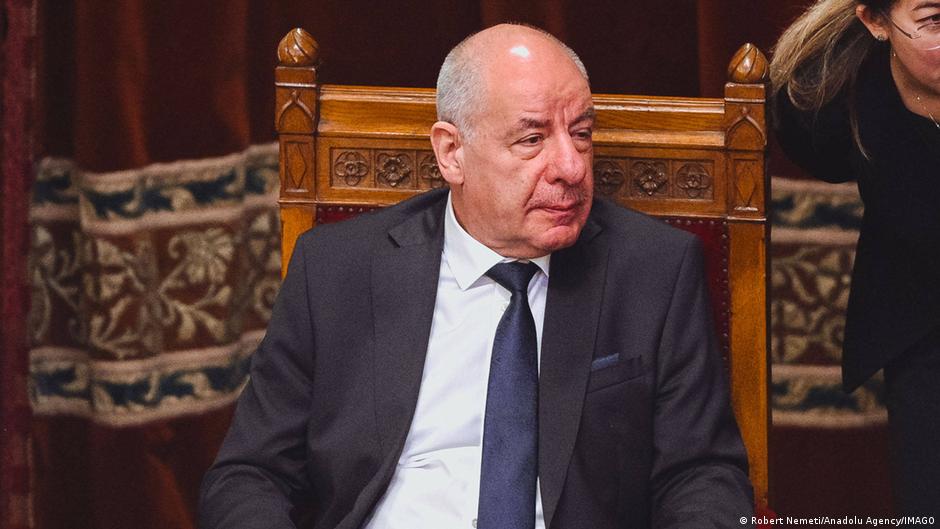
In a notable development within Hungary's political sphere, President Tamas Sulyok has enacted a constitutional amendment that brings his presidential term to an end. This decision, while stemming from a legislative process, has introduced a new dynamic into the country's governance structure, sparking various interpretations and discussions among political observers and the public alike.
The amendment, which Sulyok himself signed into law, marks a unique instance where the head of state has directly participated in legislation that curtails their own tenure. This action has been framed differently by various stakeholders. Critics have voiced concerns regarding the precedent this might set and the potential implications for the balance of power within the Hungarian political system. Conversely, proponents argue that such a measure could be indicative of a commitment to legislative reform and responsiveness to perceived national needs.
The Role of President Tamas Sulyok
President Tamas Sulyok, who assumed office following a period of political transition, has been a central figure in this constitutional change. His decision to sign the amendment, despite its direct impact on his own position, has been met with a complex array of reactions. Some analysts view his compliance as a demonstration of deference to the legislative body and the rule of law, even when personal political capital might be at stake. Others, however, question the underlying motivations and the broader context in which this amendment was proposed and passed.
Sulyok's presidency has been characterized by a focus on constitutional adherence and the upholding of legal frameworks. His background as a legal professional has often informed his approach to governance. The signing of this amendment, therefore, is consistent with a president who prioritizes legal and constitutional processes, even if the outcome leads to a personal political sacrifice. This act could be interpreted as an attempt to streamline governmental operations or to respond to specific legislative demands that emerged from within the ruling coalition.
Legislative Intent and Political Discourse
The constitutional amendment itself was brought forth by lawmakers, who, according to reports, have been vocal about the necessity for such a change. The legislative body's insistence on this amendment suggests a desire to address certain perceived inefficiencies or to implement a new vision for the presidential role within the Hungarian government. The discussions surrounding the amendment have highlighted varying perspectives on the ideal duration and scope of presidential terms.
Lawmakers supporting the amendment have reportedly argued that the previous arrangements regarding the presidential term were hindering national progress. This claim suggests that there were specific areas where the existing presidential tenure was seen as an impediment to the government's agenda or to the effective implementation of policies. The exact nature of these impediments has been a subject of debate, with some suggesting they relate to the speed of legislative processes, while others point to broader political strategies.
“The passage of this amendment reflects a dynamic interplay between the executive and legislative branches in Hungary, and its long-term effects on the country's political stability and democratic institutions will be closely observed.”
The discourse surrounding the amendment has also touched upon the relationship between the presidency and the prime minister's office, particularly given President Sulyok's association with former Prime Minister Viktor Orban. The political alignment between the president and the ruling party has often been a point of focus in Hungarian politics, and this amendment could be seen as a way to either consolidate power or to introduce a new form of accountability within the executive branch.
Implications for Hungary's Future Governance
The immediate consequence of this amendment is the termination of President Sulyok's current term, which will necessitate a new presidential selection process. This impending change will undoubtedly reshape the political landscape, potentially ushering in a new era for the Hungarian presidency. The manner in which the next president is chosen, and their subsequent role, will be crucial in determining the lasting impact of this constitutional alteration.
Beyond the immediate term, the amendment raises questions about the future stability of presidential terms in Hungary. Will this set a precedent for further modifications to the presidential office, or is it an isolated event driven by specific political circumstances? The answer to this question will largely depend on the political climate, the strength of the legislative body, and the evolving dynamics between the various branches of government.
Ultimately, the enactment of this constitutional amendment by President Tamas Sulyok represents a significant moment in Hungary's contemporary political history. Its full implications will unfold over time, as the country navigates the changes brought about by this legislative action and its subsequent impact on national governance and democratic processes.
Source: Original Article