World Cup's Mandatory Hydration Breaks: A Divisive Innovation
The 2026 World Cup has seen the implementation of mandatory hydration breaks, a measure that has rapidly become a focal point of discussion among spectators, athletes, and coaching staff alike. These scheduled interruptions, occurring twice per match in addition to halftime, have elicited strong reactions, ranging from tactical appreciation to outright frustration.
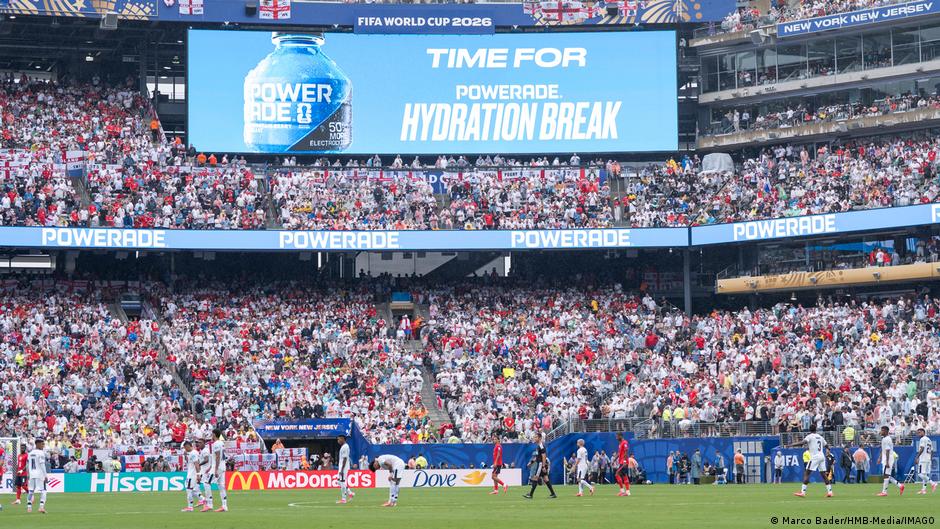
During a group stage encounter between England and Ghana in Boston Stadium, a hydration break at the 22-minute mark was met with audible displeasure from the crowd. Players utilized the pause to consult with coaches, receiving brief tactical instructions. This early incident underscored a growing sentiment: few changes have polarized the football community as much as these compulsory stoppages.
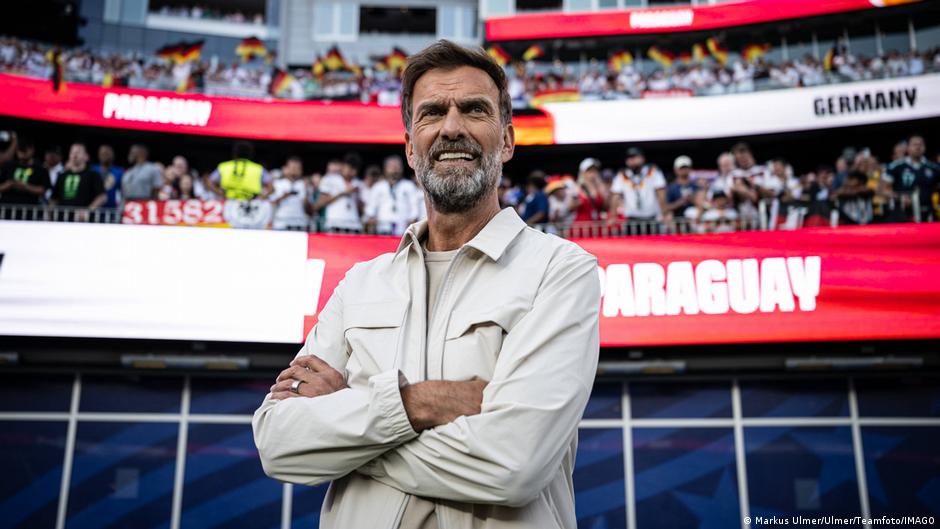
Jürgen Klopp, a prominent figure in football management, acknowledged the potential tactical advantages. "As a coach, I would have loved it," he shared with DW, highlighting how additional time for strategic adjustments could benefit a team. However, Klopp also raised concerns regarding the duration of these breaks and their commercial exploitation by broadcasters and FIFA.
From Player Welfare to Tactical Timeout
The official rationale behind the introduction of hydration breaks was player welfare, particularly in mitigating the effects of summer heat. Unlike previous tournaments where such decisions were contingent on environmental conditions, these breaks are now standard, regardless of temperature. This blanket application has fueled much of the criticism. For instance, a fan in Philadelphia expressed disapproval to DW, suggesting players could hydrate during natural game stoppages like corner kicks. Another observer pointed out the incongruity of mandatory breaks in air-conditioned venues, such as the covered stadium in Dallas where Argentina played Austria, questioning the necessity when artificial cooling was in effect.
The primary contention revolves around the impact on game dynamics. What was initially conceived as a brief opportunity for rehydration has frequently evolved into a tactical timeout. Coaches are observed adjusting formations, relaying instructions, and effectively disrupting the opposing team's rhythm. An Argentina supporter noted to DW, "On one hand, the breaks have changed the game by giving coaches more influence; on the other, they break the flow of play for the fans."
Empirical evidence supports these observations. Research conducted by "The Times," utilizing Opta data from group-stage matches, revealed significant shifts in momentum following these breaks. A notable 32% of matches experienced a change in momentum after the first break, with 26% seeing similar shifts after the second. On average, match momentum reportedly decreased by 17% post-interruption. Critically, teams with higher momentum prior to a break often experienced a more pronounced decline afterward, suggesting a disruptive effect on established game flow.
Player and Coach Perspectives
Players and coaches have also voiced their reservations. Netherlands captain Virgil van Dijk commented that the interruptions are not ideal for television audiences. While acknowledging the value of hydration in extreme heat, he advocated for a more flexible, match-specific approach to implementing such breaks. England manager Thomas Tuchel criticized the extended match durations resulting from these stoppages. Paraguay coach Gustavo Alfaro went further, suggesting that football is increasingly resembling a four-quarter sport, drawing parallels to American sports like basketball and American football, which are structured with multiple intervals.
Commercial Implications and FIFA's Stance
Another significant area of criticism concerns the commercial opportunities these breaks present. In many regions, broadcasters are leveraging these guaranteed stoppages for commercial advertisements, a practice historically uncommon in football. An American fan highlighted this aspect to DW, stating, "They have to fit in their advertising; from a corporate perspective, that probably makes sense." The hydration breaks themselves even feature dedicated sponsors, whose branding appears on stadium screens during these pauses.
FIFA President Gianni Infantino has denied that the governing body financially benefits from the introduction of these breaks, asserting that existing contracts were in place before their implementation. He indicated that FIFA would thoroughly evaluate the experiences from the current World Cup before making a definitive decision on the future of hydration breaks.
Medical Rationale and Future Considerations
From a sports medicine perspective, providing additional hydration opportunities in extreme heat is generally considered beneficial. Dr. Tim Meyer, a sports physician, informed Germany's "11 Freunde" football magazine that "cooling breaks" have shown positive effects on body temperature. He added that in severe conditions, players tend to reduce their running intensity and opt for safer passes, which, while medically sensible, may detract from the spirit of competitive play. The ongoing debate has evolved beyond the necessity of player protection from heat to encompass the most effective and least disruptive methods of providing such protection, and whether a universal application of breaks is appropriate regardless of environmental factors.
Source: Hydration breaks: The most controversial issue at the World Cup