Examining the Origins of a Viral Hoax
In the aftermath of Germany's performance in a significant international football tournament, a false narrative began to spread across various online platforms. This narrative alleged the existence of a petition, purportedly initiated by German football fans, which aimed to exclude players of 'African' or 'Muslim' descent from the national squad. Adding another layer to this misinformation, some versions of the story falsely claimed that a prominent international news organization, Deutsche Welle (DW), had reported on this supposed petition, lending it an air of legitimacy.
However, a thorough investigation reveals that these claims are entirely unfounded. There is no credible evidence to suggest that such a petition ever existed, nor did DW or any other reputable news outlet report on it. The story appears to be a fabrication, designed to sow discord and exploit existing societal tensions, particularly concerning issues of race, religion, and national identity within sports.
The Anatomy of a False Narrative
The propagation of this particular hoax highlights several common characteristics of online misinformation. Firstly, it leverages a high-profile event – a national team's performance in a major competition – to gain traction. The emotional intensity surrounding such events makes audiences more susceptible to sensational or controversial claims. Secondly, it plays on existing prejudices and stereotypes, in this case, targeting specific ethnic and religious groups. By framing the alleged petition as a response to the team's performance, it attempts to legitimize discriminatory sentiments under the guise of fan dissatisfaction.
Thirdly, the false attribution to a credible news source like DW is a classic tactic used to enhance the believability of a fabricated story. When users encounter information that appears to be reported by a respected media organization, they are often less likely to scrutinize its veracity. This phenomenon underscores the critical importance of media literacy and the need for individuals to verify information from primary sources rather than relying on secondary or tertiary shares.
The Realities of Diversity in German Football
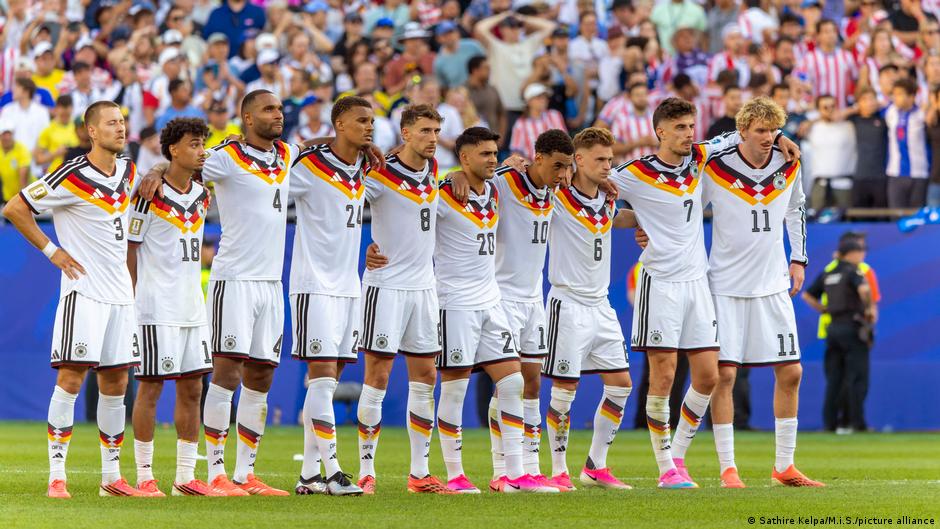
It is important to contrast this fabricated narrative with the actual composition and ethos of the German national football team. Over recent decades, German football has increasingly embraced diversity, with players from various ethnic and cultural backgrounds contributing significantly to the team's success and identity. Athletes of Turkish, African, and other immigrant backgrounds have become integral figures, celebrated for their talent and contributions both on and off the field.
This inclusive approach reflects broader demographic changes within German society and is often lauded as a strength, bringing different perspectives and styles of play to the team. The success of players like Mesut Özil (of Turkish descent), Jérôme Boateng (of Ghanaian descent), and Antonio Rüdiger (of Sierra Leonean descent), among many others, demonstrates the positive impact of diversity on German football. These players are not merely participants; they are often role models and symbols of a modern, multicultural Germany.
The Broader Implications of Such Misinformation
The spread of hoaxes like the alleged fan petition has implications that extend beyond the realm of sports. Such narratives contribute to a climate of distrust and polarization, fueling animosity towards minority groups and undermining efforts to foster social cohesion. By fabricating stories of widespread bigotry, they can inadvertently legitimize real discriminatory sentiments and provide ammunition for those who seek to divide communities.
Moreover, the constant need to debunk such falsehoods diverts resources and attention away from genuine issues and constructive dialogue. It places a burden on news organizations and fact-checkers to constantly monitor and correct misinformation, a task that becomes increasingly challenging in the fast-paced and decentralized environment of social media.
Combating Disinformation: A Collective Responsibility
Combating such disinformation requires a multi-faceted approach. For individuals, it means cultivating a skeptical mindset, questioning the source and intent of information, and seeking out multiple, credible perspectives. Before sharing any potentially inflammatory content, it is crucial to pause and verify its accuracy. Tools and resources for fact-checking are readily available and should be utilized.
For social media platforms, there is a responsibility to implement more robust mechanisms for identifying and flagging misinformation, as well as for promoting accurate information. Transparency about how algorithms prioritize content and a commitment to user safety are paramount. For news organizations, the role of accurate and responsible reporting becomes even more critical in an age where false narratives can spread like wildfire. Upholding journalistic integrity and clearly distinguishing between verified facts and unsubstantiated rumors is essential to maintaining public trust.
Ultimately, the story of the fictitious German fan petition serves as a stark reminder of the challenges posed by misinformation and the collective effort required to uphold truth and promote understanding in the digital age. It underscores the importance of critically evaluating online content and recognizing that not everything presented as news is factual, particularly when it appeals to strong emotions or confirms existing biases.