Introduction to the Regulatory Shift
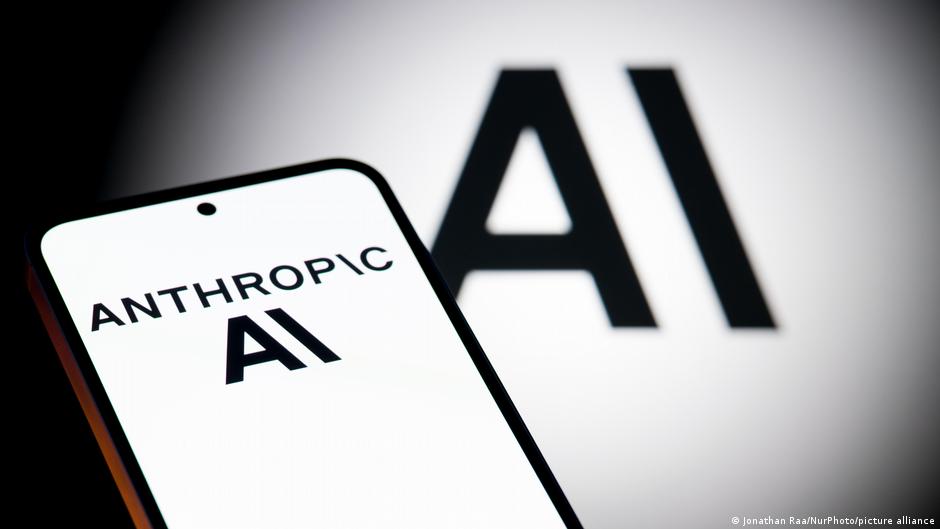
In a significant development impacting the artificial intelligence landscape, the Trump administration has implemented new restrictions concerning access to advanced AI models developed by Anthropic, a prominent AI research and development company. These measures primarily target foreign entities, limiting their ability to utilize Anthropic's cutting-edge AI technologies, including its widely recognized Claude models. The stated rationale behind these restrictions is rooted in national security concerns, reflecting a growing apprehension within governmental circles regarding the potential dual-use nature of sophisticated AI systems. This regulatory action has resulted in a global cessation of access for non-US users to certain Anthropic services, prompting widespread discussions about its immediate and long-term implications for the company and the broader AI sector.
The Immediate Impact on Anthropic
The sudden imposition of these access limitations presents a multifaceted challenge for Anthropic. As a company that has invested substantial resources in developing its AI models and expanding its global user base, the curtailment of foreign access could significantly disrupt its operational strategies and revenue streams. Anthropic, like many burgeoning technology firms, relies on a diverse and international customer base to foster innovation, gather feedback, and demonstrate the utility of its products. The exclusion of a substantial portion of this market could impede its growth trajectory and potentially affect its competitive standing in the rapidly evolving AI industry. Furthermore, the timing of these restrictions is particularly noteworthy, as Anthropic is widely rumored to be contemplating an initial public offering (IPO). A global shutdown of services, even if temporary or partial, could introduce considerable uncertainty for potential investors, making the prospect of a successful IPO more challenging. Investor confidence often hinges on market stability, predictable growth, and a clear regulatory environment, all of which are now subject to re-evaluation in light of the new US policy.
Exploring the National Security Justification
The Trump administration's decision to restrict access to Anthropic's AI models underscores a growing global debate surrounding the ethical implications and potential risks associated with advanced artificial intelligence. Governments worldwide are increasingly grappling with how to regulate powerful AI systems, particularly those that could be adapted for purposes beyond their intended commercial applications. Concerns typically revolve around several key areas: the potential for AI models to be misused in cyber warfare, disinformation campaigns, or the development of autonomous weapons systems; the risk of foreign adversaries gaining access to advanced AI that could confer strategic advantages; and the broader implications for data privacy and algorithmic bias. While specific details regarding the exact security threats attributed to Anthropic's models have not been fully disclosed, the move suggests a precautionary approach aimed at safeguarding national interests and preventing the proliferation of potentially sensitive AI capabilities to unauthorized actors.
Setting a Precedent for the AI Industry
Beyond the immediate ramifications for Anthropic, this regulatory action could establish a far-reaching precedent for the entire artificial intelligence industry. Historically, the development and deployment of software and digital technologies have largely operated with a degree of international fluidity, enabling global collaboration and market expansion. However, the unique characteristics of advanced AI, particularly its transformative potential and inherent complexity, are prompting governments to consider more stringent controls. If the US continues to implement similar restrictions on other AI developers or if other nations follow suit with their own protective measures, it could lead to a fragmentation of the global AI ecosystem. Such a scenario might result in a more balkanized technological landscape, where AI models and services are developed and deployed within national or regional boundaries, potentially hindering global scientific cooperation and the widespread benefits of AI innovation. This shift could necessitate AI companies to re-evaluate their international expansion strategies, potentially leading to the development of region-specific AI versions or a greater emphasis on domestic markets.
Potential for International Repercussions
The US government's decision also carries the potential for international repercussions. Other nations, particularly those with their own burgeoning AI industries, may view these restrictions as a protective measure designed to bolster US technological dominance. This could incite retaliatory policies or encourage other countries to accelerate their own AI development programs with a strong emphasis on national self-sufficiency. The move might also intensify discussions within international forums about the need for global governance frameworks for AI, aiming to establish common standards and regulations that balance innovation with security. The absence of such frameworks could lead to a patchwork of national regulations, creating complexities for companies operating across borders and potentially stifling the collaborative spirit that has often characterized technological advancement.
Looking Ahead: Adaptations and Dialogues
In response to these new regulatory realities, Anthropic and other AI companies will likely need to adapt their business models and engagement strategies. This may involve closer collaboration with government agencies to understand and comply with evolving security protocols, as well as a more deliberate approach to international market entry. For the broader AI community, the situation highlights the critical importance of ongoing dialogue between policymakers, researchers, and industry leaders to navigate the complex interplay between technological progress, national security, and global cooperation. The unfolding scenario with Anthropic serves as a stark reminder that as AI capabilities advance, so too will the scrutiny and regulatory oversight from governments worldwide, fundamentally reshaping the environment in which these powerful technologies are developed and deployed.
Source: Original Article