Introduction to a Warming World
The Earth is experiencing a discernible shift in its climate patterns, characterized by an increase in both the frequency and intensity of extreme weather events, particularly heat waves. Recent reports, such as the one from the World Meteorological Organization (WMO), indicate that global temperatures have reached unprecedented levels, with 2023 being the warmest year on record. This trend is not merely an abstract scientific observation; it translates into tangible impacts on human populations across various continents. For instance, Europe recently experienced record-breaking temperatures, closely followed by projections of soaring heat in the United States around the July 4th holiday period. These events underscore a critical question for researchers and public health officials alike: how will human physiology and societal structures adapt to a future defined by more pervasive and intense heat?
Physiological Responses to Heat Stress
The human body possesses remarkable thermoregulatory capabilities designed to maintain a core temperature within a narrow, life-sustaining range. When exposed to heat, the body initiates several physiological responses. The most immediate and noticeable is sweating, which cools the body through evaporative heat loss. Blood vessels near the skin surface also dilate, increasing blood flow to the periphery to facilitate heat dissipation. However, these mechanisms have limits. Prolonged exposure to high temperatures, especially when combined with high humidity, can overwhelm the body's cooling systems, leading to heat stress. This can manifest in various forms, from mild heat exhaustion to severe, life-threatening heatstroke. Vulnerable populations, including the elderly, young children, individuals with pre-existing medical conditions, and those working outdoors, are particularly susceptible to these adverse health outcomes.
Acclimatization: A Natural Adaptation
One form of human adaptation to heat is acclimatization, a process by which the body gradually adjusts to environmental heat stress over a period of days to weeks. During acclimatization, the body becomes more efficient at cooling itself. This includes an earlier onset of sweating, an increase in sweat rate, a reduction in the electrolyte concentration of sweat (conserving vital salts), and an expansion of plasma volume. These physiological changes enhance the body's ability to tolerate heat with less strain. Studies have shown that individuals who are regularly exposed to hot environments, such as athletes training in warm climates or workers in industrial settings, develop a higher degree of heat tolerance. However, acclimatization is not a permanent state; it diminishes if heat exposure is not maintained. Furthermore, the extent of acclimatization can vary significantly among individuals, influenced by factors such as age, fitness level, and genetic predispositions.
Technological and Behavioral Adaptations
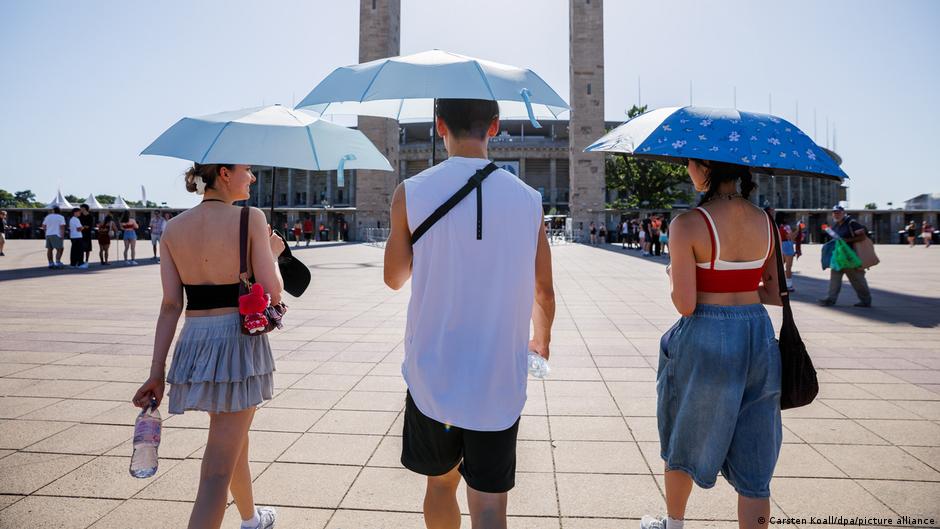
Beyond physiological changes, human societies have historically developed a range of technological and behavioral adaptations to mitigate the effects of heat. These include architectural designs that promote natural ventilation and shade, such as those found in traditional desert dwellings. Modern innovations like air conditioning have revolutionized comfort in hot climates, though their widespread use raises concerns about energy consumption and greenhouse gas emissions, paradoxically contributing to the very problem they aim to solve. Behavioral adaptations are also crucial, encompassing practices such as wearing lightweight clothing, seeking shade, modifying work schedules to avoid the hottest parts of the day, and increasing fluid intake. Public health campaigns increasingly emphasize these strategies to help communities cope with rising temperatures.
The Limits of Adaptation and Future Challenges
While humans possess a considerable capacity for adaptation, there are inherent biological and environmental limits. The concept of a 'wet-bulb temperature' is particularly relevant here; it represents a threshold beyond which the human body can no longer cool itself effectively through sweating, even in the shade with unlimited water. Sustained exposure to wet-bulb temperatures exceeding 35 degrees Celsius (95 degrees Fahrenheit) is considered lethal for most humans, regardless of their acclimatization status. Climate models predict that such extreme conditions, while currently rare, are projected to become more frequent in certain regions of the world. This poses significant challenges for urban planning, infrastructure development, and public health policy. Scientists are increasingly focused on understanding these limits and developing strategies to protect vulnerable populations, including early warning systems, cooling centers, and innovative urban design solutions that combat the 'urban heat island' effect.
Conclusion: A Multi-faceted Approach Required
The escalating frequency and intensity of heat waves necessitate a comprehensive and multi-faceted approach to human adaptation. This involves not only understanding and leveraging the body's natural physiological responses and acclimatization processes but also implementing robust technological and behavioral strategies. Furthermore, addressing the root causes of climate change through emissions reduction remains paramount. As global temperatures continue to climb, the scientific community, policymakers, and communities worldwide must collaborate to ensure human resilience in an increasingly hotter world, balancing immediate adaptive measures with long-term mitigation efforts.
Source: Original Article