The Strait of Hormuz: A Critical Chokepoint Under Scrutiny
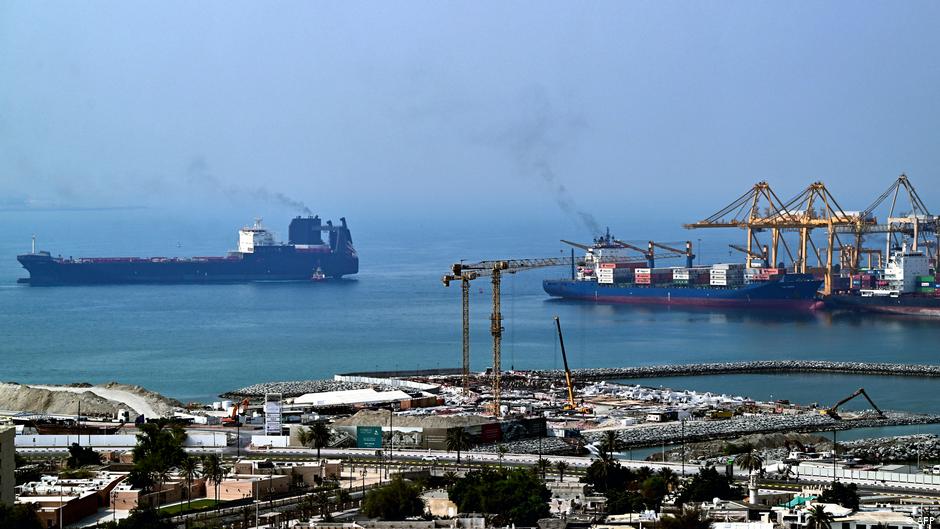
The Strait of Hormuz, a narrow waterway connecting the Persian Gulf to the Arabian Sea, remains a pivotal artery for global oil and gas shipments. Approximately one-fifth of the world's oil supply, alongside a significant portion of liquefied natural gas (LNG), transits through this strategic chokepoint daily. Its geographical significance, coupled with its proximity to Iran, has historically made it a focal point for geopolitical tensions. Recent events have again highlighted the vulnerability of this passage, prompting renewed concerns among international energy markets and Gulf-producing nations alike.
The recurring disruptions and threats to shipping in the Strait have compelled Gulf Cooperation Council (GCC) states to actively pursue strategies for diversifying their export routes. The overarching goal is to reduce their dependence on the Strait of Hormuz, thereby safeguarding their economic interests and ensuring the consistent flow of energy to global consumers. This strategic imperative is not new, but the heightened frequency and severity of incidents underscore the urgency of these diversification efforts.
Alternative Pipelines: A Quest for Redundancy
Several pipeline projects have been developed or are under consideration to bypass the Strait of Hormuz. These initiatives represent significant investments aimed at creating alternative export channels for crude oil and natural gas. For instance, Saudi Arabia operates the Petroline, also known as the East-West Pipeline, which transports crude oil from its eastern oil fields to its Red Sea terminals. This pipeline offers a direct route to international waters without traversing the Strait. Similarly, the United Arab Emirates has the Habshan-Fujairah oil pipeline, which allows crude oil to be exported from terminals on its eastern coast, bypassing the Strait of Hormuz entirely.
These bypass routes are designed to enhance the resilience of global energy supply chains by providing redundancy in the event of disruptions in the Strait. However, the efficacy of these alternatives in mitigating risk is contingent upon their operational security and political stability in the regions they traverse. The development and expansion of such infrastructure signify a long-term commitment by Gulf states to bolster their energy security and maintain their role as reliable global energy suppliers.
Iran's Strategic Calculus: Beyond the Strait?
While much attention is often focused on Iran's potential to disrupt shipping in the Strait of Hormuz, a critical question emerges: does Iran's strategic calculus extend to these alternative pipeline routes? The possibility of Iran influencing or threatening these bypass channels introduces a new layer of complexity to regional energy security. If these pipelines were also to become targets, it would significantly undermine the very purpose of their existence as secure alternatives.
Analysts suggest that Iran's broader regional strategy aims to exert influence over key energy infrastructure and trade routes. This strategy is not limited to naval power in the Strait but could encompass a wider range of asymmetric tactics and proxies. The geographic proximity of some of these pipelines to areas where Iran has established influence or relationships with non-state actors raises legitimate concerns about their potential vulnerability. Any perceived threat to these alternative routes would undoubtedly trigger a strong international response, given their importance to global energy markets.
Geopolitical Implications and Global Energy Security
The potential for Iranian interference with both the Strait of Hormuz and its bypass pipelines has profound geopolitical implications. It underscores the interconnectedness of regional security, energy markets, and international relations. Major global energy consumers, including those in Asia and Europe, are particularly susceptible to disruptions in Gulf oil flows. Therefore, safeguarding these routes is not merely a regional concern but a global imperative.
International diplomatic efforts, coupled with robust security measures, are essential to de-escalate tensions and ensure the unimpeded flow of energy. The ongoing dialogue between regional powers and international stakeholders often revolves around preventing actions that could destabilize these critical energy pathways. The long-term stability of the global energy market hinges on a multifaceted approach that includes diversification of supply routes, enhanced security cooperation, and diplomatic engagement to address underlying geopolitical frictions.
The Path Forward: Resilience and Diplomacy
In conclusion, while Gulf oil producers are actively investing in pipeline alternatives to mitigate risks associated with the Strait of Hormuz, the potential for broader Iranian influence over these bypass routes presents a complex challenge. Ensuring the security of global energy supplies requires a comprehensive strategy that not only focuses on physical infrastructure but also addresses the geopolitical dynamics of the region. Continuous investment in resilient energy infrastructure, coupled with sustained diplomatic engagement and international cooperation, will be crucial in navigating these intricate energy security landscapes. The objective remains to maintain the stability of global energy markets in the face of persistent regional uncertainties.
Source: DW