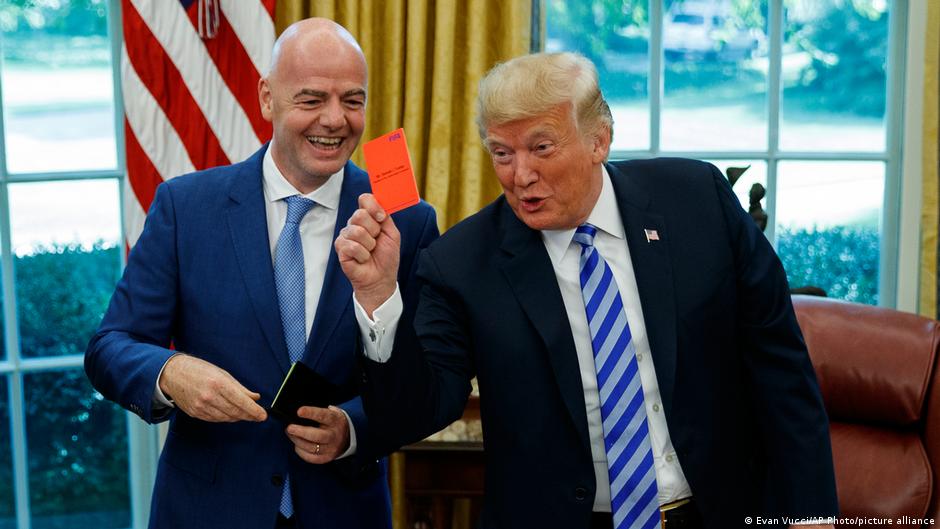
Former President Trump's Alleged Lobbying of FIFA
The traditionally unyielding nature of World Cup football regulations has reportedly been challenged by an unexpected intervention from former U.S. President Donald Trump. Reports indicate that Trump has lobbied FIFA, the international governing body of football, to overturn a red card suspension issued to a U.S. player. This alleged move has ignited a firestorm of controversy and discussion within the global sports community, raising questions about political influence in sporting decisions and the integrity of FIFA's disciplinary processes.
The incident centers around a red card issued during a recent international fixture involving the U.S. national team, which would typically result in an automatic suspension for the player in question for subsequent matches, including potentially critical World Cup 2026 qualifiers or even the tournament itself. Trump's reported efforts to influence this decision are unprecedented in recent memory, prompting a swift and largely negative reaction from various stakeholders, including football pundits, fan groups, and sports ethics organizations.
The Specifics of the Balogun Case
While the initial reports were somewhat general, further details have emerged, pointing to the specific case involving U.S. forward Folarin Balogun. Balogun, a promising talent, received a red card for a contentious foul during a recent international match. Under standard FIFA regulations, this would lead to an automatic one-match suspension. The alleged lobbying by former President Trump aims to nullify this suspension, thereby making Balogun available for upcoming crucial games. This particular instance has fueled the controversy, as it involves a high-profile player whose participation could significantly impact the U.S. team's performance.
The nature of the foul and the referee's decision have been subjects of debate among football analysts. Some argue that the red card was harsh, while others maintain it was justified. Regardless of the on-field merits, the focus has shifted to the alleged off-field influence. Critics argue that any successful attempt to overturn a disciplinary decision through political pressure would set a dangerous precedent, undermining the authority of referees and the impartiality of FIFA's disciplinary committees.
FIFA's Stance and Historical Precedents
FIFA has yet to issue a definitive public statement directly addressing the alleged lobbying by Trump. However, the organization's statutes and regulations emphasize the independence of its judicial bodies and the sanctity of on-field decisions. Any deviation from standard procedures would likely face immense scrutiny and potentially damage FIFA's reputation for upholding fair play and sporting integrity.
While the current situation is generating significant outrage, it is not entirely without historical parallels. There have been instances in the past where disciplinary decisions in football have been subject to external pressure or review, though rarely from such a high-profile political figure. For example, in some cases, national football associations have appealed red card decisions based on new evidence or procedural errors, leading to successful overturning or reduction of suspensions. However, these appeals typically follow established legal and sporting channels, rather than direct political intervention.
One notable historical example, albeit different in its specifics, involved instances where national federations exerted pressure on FIFA or continental bodies regarding player eligibility or sanctioning. These situations, while not identical to the current alleged lobbying, highlight the delicate balance between sporting autonomy and external influences. The current controversy, however, is distinct due to the direct involvement of a former head of state in a disciplinary matter.
Reactions from the Football Community and Ethical Concerns
The football community has reacted with a mix of shock and condemnation. Many prominent figures, including former players, coaches, and sports journalists, have expressed concern over the potential implications of such an intervention. There is a widespread sentiment that allowing political figures to dictate disciplinary outcomes would compromise the sport's credibility and create an uneven playing field.
Ethical considerations are at the forefront of the discussion. Critics argue that if FIFA were to concede to such pressure, it would open the door for similar interventions in the future, potentially from other powerful nations or individuals. This could lead to a system where disciplinary actions are not based solely on the rules of the game but are influenced by political leverage, thereby eroding public trust in the sport's governance.
Furthermore, the incident raises questions about the U.S. Soccer Federation's role and whether it supported or encouraged such an intervention. The federation has remained largely silent on the matter, contributing to speculation and further fueling the debate.
The Path Forward for FIFA
FIFA now faces a critical juncture. How it handles this alleged intervention will have long-lasting consequences for its image and the future of football governance. Upholding the integrity of its disciplinary processes will be paramount. Any decision to overturn the red card outside of established appeal procedures would likely be met with severe backlash and calls for greater transparency and accountability within the organization.
The global football community will be closely watching FIFA's response, which will undoubtedly set a precedent for how similar situations are handled in the future. The episode underscores the ongoing challenges in maintaining the independence and impartiality of international sports organizations in an increasingly interconnected and politically charged world.
Source: Original Article