
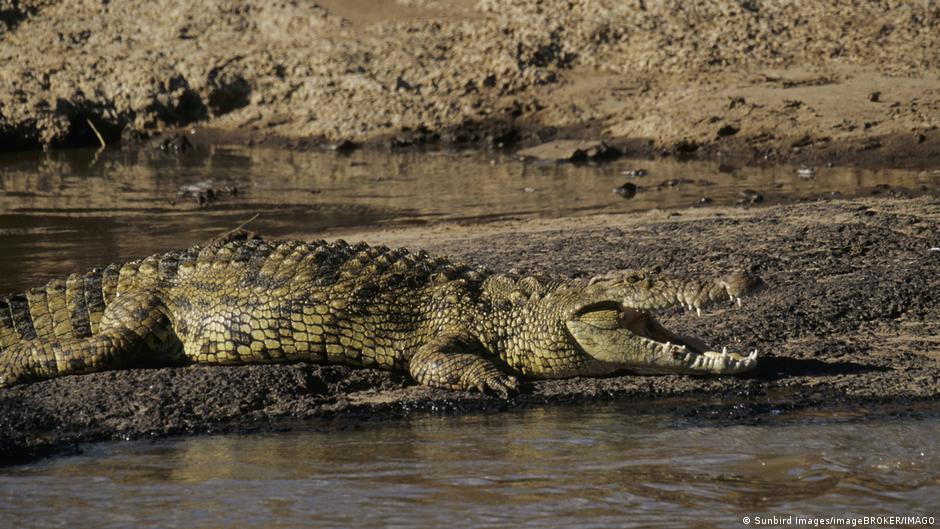
Introduction to a Novel Security Proposal
A recent administrative decision by Israel's environmental authorities has brought an unusual topic into the national security discourse: the potential deployment of crocodiles for perimeter defense. The Ministry of Environmental Protection announced a reclassification of crocodiles, altering their status in a way that permits their utilization for security-related objectives. This development has garnered attention, particularly due to reports suggesting that this reclassification aligns with a proposal from Security Minister Itamar Ben-Gvir, who is said to be exploring the use of these reptiles to enhance security around a detention facility housing individuals identified as Hamas militants.
The Regulatory Shift and its Implications
Historically, the classification of animals within a nation's regulatory framework dictates how they can be managed, owned, and utilized. For crocodiles in Israel, their previous classification likely limited their use to contexts such as zoos, wildlife reserves, or specific research initiatives, precluding their application in security roles. The recent reclassification, therefore, represents a significant departure from established norms. While the specifics of the new classification have not been extensively detailed, the core implication is that the legal and regulatory barriers to using crocodiles for security purposes have been removed or significantly lowered. This regulatory maneuver demonstrates a willingness by authorities to adapt existing laws to accommodate novel security strategies, reflecting a broader trend in some nations to explore unconventional methods for safeguarding critical infrastructure or personnel.
Minister Ben-Gvir's Reported Interest
The reported interest from Security Minister Itamar Ben-Gvir in deploying crocodiles for prison security has been a central point of discussion. Minister Ben-Gvir, known for his far-right political stance and strong emphasis on security, is said to be investigating the feasibility of using these formidable reptiles to deter escape attempts from a facility housing Hamas militants. The concept, while seemingly out of a fictional narrative, highlights the intensity of security concerns surrounding such high-profile detention centers. The psychological impact alone of a crocodile-infested perimeter could be considered a significant deterrent. Furthermore, the physical barriers presented by such animals would undeniably complicate any escape plan, adding a layer of complexity and danger for potential escapees.
Feasibility and Ethical Considerations
The practical implementation of such a plan, however, raises numerous questions. The logistics of acquiring, housing, feeding, and managing a population of crocodiles for security purposes would be substantial. Crocodiles require specific environmental conditions, and their maintenance would involve considerable resources and specialized expertise. There are also significant ethical considerations that would need to be addressed. The use of animals in such a capacity could provoke criticism from animal welfare organizations and human rights groups, who might argue against the inherent cruelty or the disproportionate nature of such a deterrent. The potential for unintended harm to the animals themselves, or to individuals beyond those intended to be deterred, also presents a complex ethical dilemma. The long-term impact on the crocodiles' welfare, their natural behaviors, and the ecological implications of introducing or housing them in proximity to human settlements are all factors that would require careful assessment.
Historical Precedents and Modern Applications
While the idea of using crocodiles for security might seem contemporary, the concept of employing animals in defense roles has historical roots. Guard dogs, for instance, have been used for centuries. However, the scale and nature of deploying large, dangerous wild animals like crocodiles for perimeter defense are relatively novel in modern security contexts. In some parts of the world, natural barriers such as moats or water bodies are utilized, but actively populating them with dangerous wildlife for security is less common. This proposal from Israel, therefore, pushes the boundaries of conventional security practices, prompting a re-evaluation of what constitutes acceptable and effective deterrents in high-security environments.
Public and International Reaction
The news of this reclassification and the potential security application of crocodiles is likely to elicit a range of reactions both domestically and internationally. Within Israel, the proposal may be viewed through the lens of national security priorities, with some supporting any measure that enhances safety and prevents militant activities. Others might express concerns about the practicality, cost, and ethical implications. Internationally, the proposal could draw scrutiny from human rights organizations and animal welfare advocates, potentially leading to debates about the appropriate and humane methods for managing incarcerated individuals and the role of animals in such capacities. The situation underscores the ongoing challenges faced by nations in balancing security imperatives with ethical responsibilities and practical constraints.
Source: Israel clears way for crocodiles to stop prison breaks