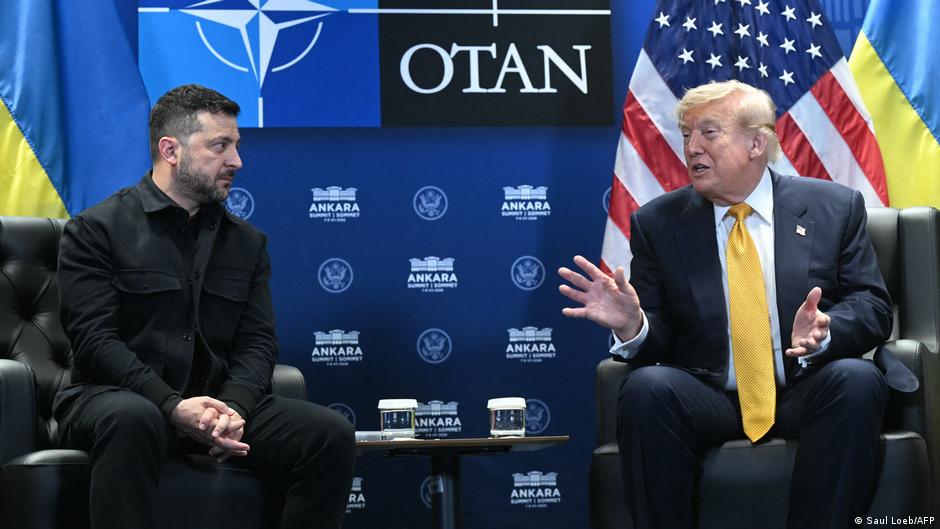
Former President Trump Considers Ukrainian Patriot Missile Manufacturing
Former U.S. President Donald Trump has recently signaled a potential shift in policy regarding military aid to Ukraine, specifically suggesting that the country might be permitted to manufacture Patriot air defense missiles within its borders. This indication emerged amid ongoing discussions about international support for Ukraine's defense capabilities. The Patriot system, renowned for its effectiveness against various aerial threats, represents a critical component of modern air defense strategies, making any potential local production a notable development.
The prospect of Ukraine producing advanced defense systems like the Patriot missile has drawn varied reactions from international observers and defense analysts. On one hand, proponents view this as a robust demonstration of long-term commitment to Ukraine's sovereignty and its capacity for self-defense. Such a move could potentially reduce Ukraine's reliance on foreign military shipments over time, fostering greater strategic autonomy. Furthermore, it could stimulate Ukraine's domestic defense industry, creating jobs and technological expertise within the nation.
However, the practicalities and timelines associated with establishing such a complex manufacturing capability are considerable. Producing sophisticated weaponry like the Patriot missile involves intricate supply chains, highly specialized technology, stringent quality control measures, and significant infrastructure investment. Analysts have cautioned that even with the necessary political will and financial backing, the journey from concept to full-scale production could span several years, if not a decade. This extended timeframe means that while the intent might be supportive, immediate impacts on the current conflict would likely be limited.
The Strategic Implications of Domestic Production
Should Ukraine eventually gain the ability to produce Patriot missiles, the strategic implications would be profound. Currently, Ukraine relies heavily on donations and purchases of these systems from international partners, primarily the United States. Domestic production would not only ensure a more consistent supply but also potentially allow for customization or adaptation of the systems to better suit the specific operational environment in Ukraine. This could enhance the effectiveness and sustainability of its air defense network against persistent aerial threats, including ballistic missiles, cruise missiles, and advanced aircraft.
Moreover, the transfer of such advanced manufacturing capabilities could symbolize a deeper integration of Ukraine into Western defense industrial bases. This integration could foster greater interoperability with NATO standards and potentially pave the way for further technological cooperation in other defense sectors. For the United States and its allies, facilitating such production could also be seen as a way to share the burden of defense, enabling Ukraine to contribute more significantly to its own security with less direct cost to partner nations in the long run.
Challenges and Considerations
Despite the potential benefits, numerous challenges would need to be addressed. Securing the necessary intellectual property rights and technological blueprints from the original manufacturers, such as Raytheon, would be a primary hurdle. This would likely involve complex negotiations and licensing agreements. Furthermore, Ukraine's existing industrial infrastructure, while capable in certain areas, would require substantial upgrades and expansions to meet the demanding specifications for Patriot missile production.
Funding for such an ambitious undertaking would also be a critical consideration. The costs associated with setting up production lines, training specialized personnel, and acquiring raw materials would run into billions of dollars. International financial assistance and investment would almost certainly be required to make this vision a reality. There are also security concerns, as any new production facilities would become high-value targets, necessitating robust protection measures against potential attacks.
The political landscape surrounding such a decision is also complex. While Trump's statement indicates a potential willingness, the actual implementation would depend on various factors, including future U.S. administrations' policies, the evolving geopolitical situation, and the sustained commitment of all parties involved. The move could also be interpreted differently by various international actors, potentially influencing broader diplomatic relations.
"While the gesture signifies a strong message of support, the reality of establishing advanced missile production is a multi-year endeavor requiring immense resources and sustained political will," remarked one defense analyst, emphasizing the long-term nature of such a project.
In conclusion, the prospect of Ukraine manufacturing Patriot air defense missiles, as hinted by former President Trump, marks a potentially significant development in international military assistance. While it holds the promise of bolstering Ukraine's long-term defense capabilities and strategic autonomy, the intricate technical, financial, and logistical challenges mean that any such initiative would be a considerable undertaking, with its full realization likely years in the future.
Source: Original Article