Introduction to the Proposed Legislation
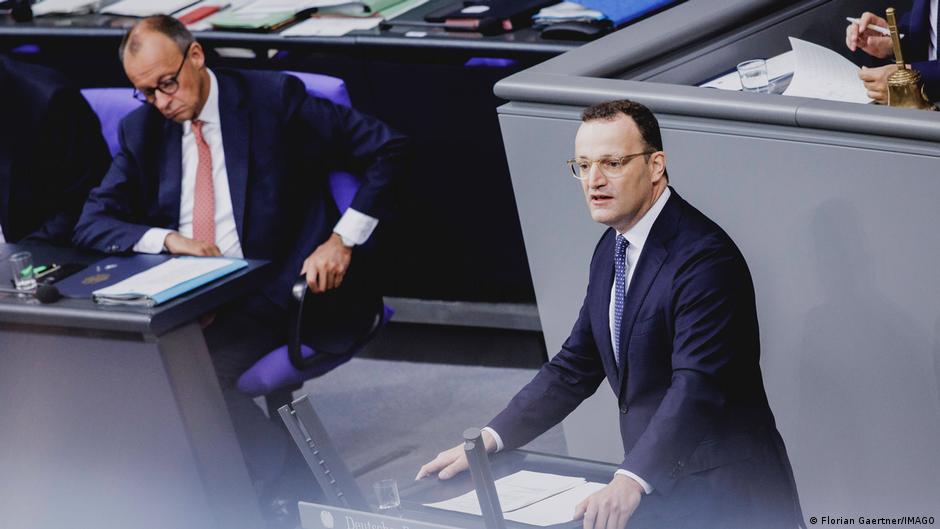
The Bundesrat, Germany's upper house of parliament, has put forth a legislative initiative designed to make it illegal to deny Israel's right to exist. This proposed bill, if enacted, would represent a significant legal development in Germany's approach to expressions concerning the state of Israel. The ball now moves to the Bundestag, the lower house of parliament, which holds the authority to deliberate on the proposal and potentially transform it into binding law.
This move by the Bundesrat underscores a continued commitment within German political discourse to Israel's security and sovereignty, often framed within the context of Germany's historical responsibility. The proposal is likely to generate considerable discussion and debate within political circles, among legal experts, and across various segments of civil society.
Historical Context and Germany's Stance on Israel
Germany's relationship with Israel is uniquely shaped by the historical burden of the Holocaust. This historical responsibility has long informed German foreign policy, leading to a strong and unwavering commitment to Israel's right to exist and its security. This commitment is frequently articulated by German political leaders across the spectrum, emphasizing that Israel's security is a core tenet of German state policy.
Over the decades, this special relationship has manifested in various forms, including diplomatic support, security cooperation, and financial aid. German chancellors and presidents have consistently reaffirmed this stance during visits to Israel and in international forums. The proposed legislation, therefore, can be seen as a legal codification of an already deeply entrenched political and moral principle within the German state.
Details of the Bundesrat's Initiative
While the full text of the proposed bill and its specific legal ramifications are subject to further review and debate in the Bundestag, the core intent is clear: to criminalize the act of questioning or denying Israel's right to exist. This could involve amendments to existing laws, such as those pertaining to hate speech or incitement, or the creation of new legal provisions.
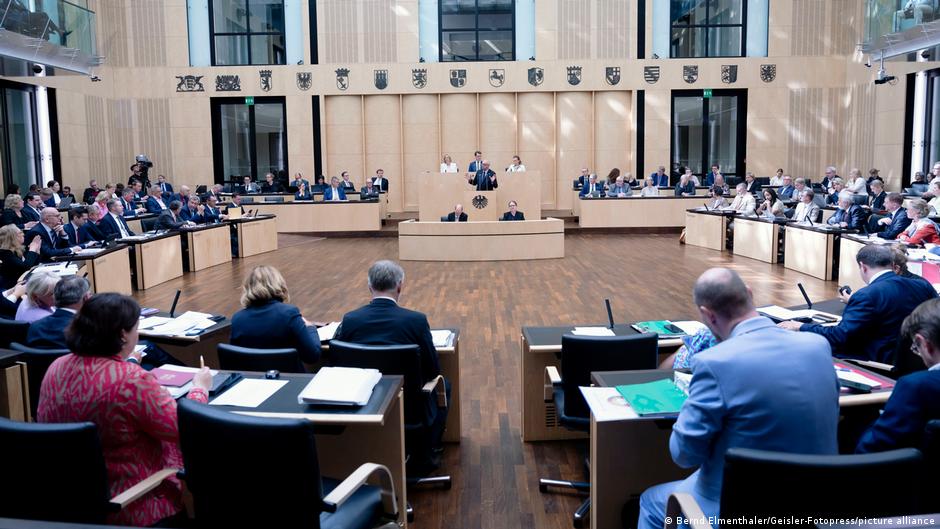
The Bundesrat, composed of representatives from Germany's 16 federal states, plays a crucial role in the legislative process, particularly concerning matters that affect the states or require their consent. Its initiation of this bill signals a broad consensus among the federal states regarding the importance of this issue. Should the Bundestag approve the legislation, it would presumably outline the specific actions or statements that would fall under the purview of this ban, as well as the penalties associated with violations.
Legal and Constitutional Considerations
Any legislation that seeks to limit freedom of speech, even in the context of denying a state's right to exist, inevitably raises questions regarding constitutional protections, particularly Article 5 of the German Basic Law, which guarantees freedom of expression. Legal scholars and civil liberties advocates will likely scrutinize the proposal to ensure it aligns with constitutional principles and does not unduly restrict legitimate political discourse or criticism of Israeli government policies, which is distinct from denying the state's fundamental right to exist.
The challenge for lawmakers will be to draft a law that is precise enough to achieve its intended goal of combating antisemitism and delegitimization of Israel, while simultaneously safeguarding the fundamental right to free expression. Precedents exist in German law for limiting speech in certain contexts, such as the prohibition on denying the Holocaust, which is widely accepted due to its historical context and the severe nature of the crime it addresses.
Potential Impact and International Implications
If passed, this legislation could have several significant impacts. Domestically, it would provide a new legal tool for prosecuting individuals or groups engaged in the denial of Israel's right to exist, potentially leading to increased legal action against certain forms of anti-Zionist rhetoric that cross into this territory. It could also influence public discourse, signaling a stronger legal boundary around what is considered acceptable speech regarding Israel.
Internationally, such a law could reinforce Germany's image as a staunch defender of Israel and an active combatant against antisemitism globally. Other nations grappling with similar issues of hate speech and the delegitimization of states might observe Germany's legislative process as they consider their own approaches. However, it could also draw criticism from those who view such laws as an overreach or an infringement on freedom of speech, particularly from organizations advocating for broader free expression rights.
The Road Ahead: Bundestag Deliberation
The next critical stage for this proposal is its consideration by the Bundestag. Here, members of parliament will engage in detailed discussions, committee reviews, and potentially amendments to the bill. Political parties will articulate their positions, and there will be opportunities for public input and expert testimony.
The legislative process in the Bundestag can be lengthy and involves multiple readings and votes. The outcome will depend on the consensus among the various parliamentary groups and their ability to navigate the complex legal and ethical considerations involved. The passage of such a law would mark a notable legislative decision, further cementing Germany's distinctive legal and moral framework in its relationship with Israel.
Source: Original Article