Political Repercussions of Personal Choices
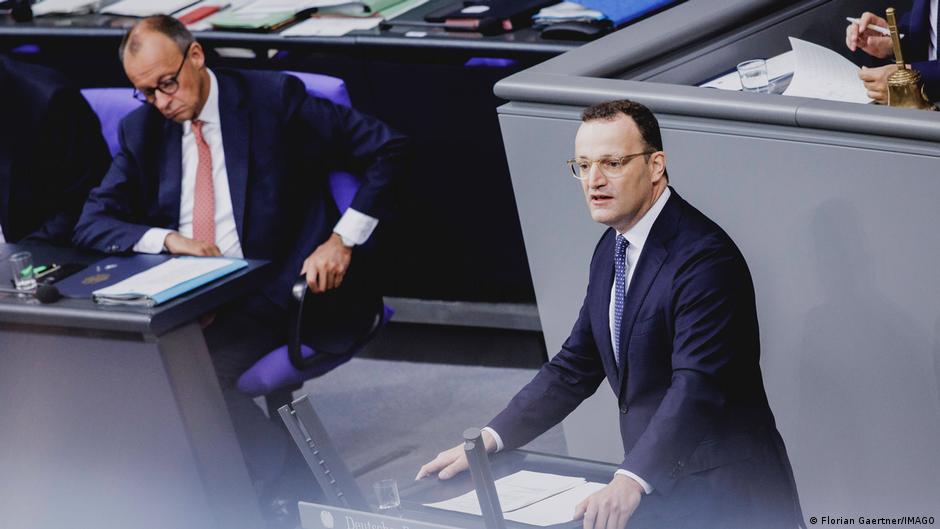
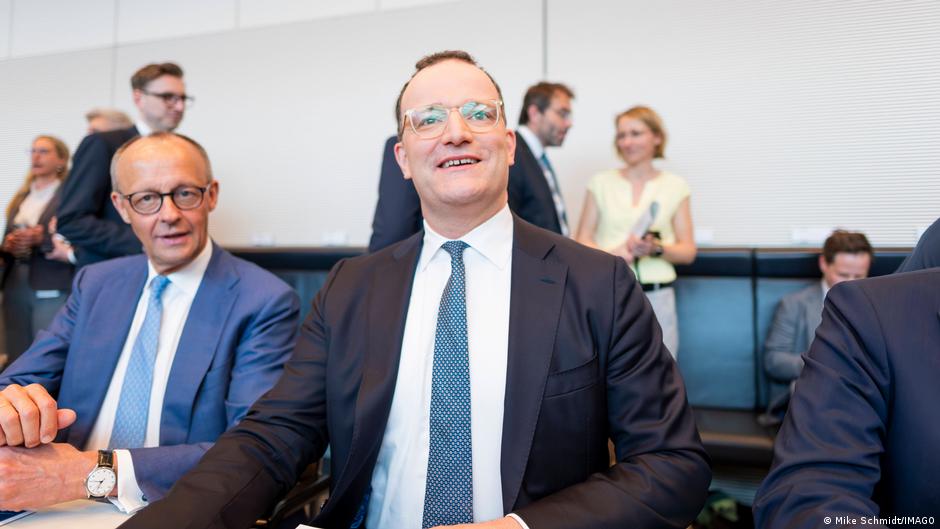
Jens Spahn, who held the influential position as the head of the ruling conservative bloc within the German parliament, announced his resignation on Saturday. This decision comes in the wake of public scrutiny and internal party discussions concerning his family's use of a surrogate mother to have a child in the United States. The controversy highlights the intricate intersection of personal life, public office, and prevailing national laws and party stances on ethical issues.
The resignation was reportedly requested by Chancellor Friedrich Merz, who also leads the conservative Christian Democrats (CDU). This indicates a significant internal pressure within the party regarding Spahn's actions, particularly given the CDU's official position on surrogacy.
Germany's Stance on Surrogacy
In Germany, the practice of commercial surrogacy is currently prohibited by law. Furthermore, the Christian Democratic Union, as a political entity, has consistently expressed its opposition to the legalization of surrogacy. This long-standing stance is rooted in various ethical, social, and legal considerations that have been debated within German society for many years.
The core of the CDU's opposition often centers on concerns about the potential exploitation of women, the commodification of children, and the ethical implications of separating biological parentage from gestational parenthood. These concerns are shared by a significant portion of the German public and are reflected in the country's current legislative framework.
Spahn's Family and the International Dimension
Spahn and his husband opted to have their child through a surrogate mother in the United States, a country where surrogacy, both altruistic and commercial, is legal in many states and is a more established practice. This decision, while perfectly legal under U.S. law, placed Spahn in a difficult position within the German political landscape, especially given his leadership role in a party that actively opposes the very practice he utilized.
The incident brings into focus the challenges faced by public figures whose personal choices, made in jurisdictions with differing legal and ethical norms, come into conflict with the prevailing laws and moral frameworks of their home countries and political parties. It also underscores the growing complexity of family formation in an increasingly globalized world, where individuals may seek options not available or sanctioned in their own nations.
Broader Implications for the CDU
Spahn's resignation could have broader implications for the CDU, particularly as the party navigates evolving social norms while striving to uphold its traditional values. The incident might trigger renewed discussions within the party about how to address personal choices that diverge from official party lines, especially on sensitive ethical issues. It also raises questions about the extent to which a political party can or should regulate the private lives of its members, particularly those in leadership positions, when those lives intersect with policy debates.
The controversy may also spark a wider public debate in Germany concerning surrogacy itself. While the current legal framework is clear, high-profile cases often prompt society to revisit and re-evaluate established norms and laws. This could lead to discussions about potential reforms or clarifications regarding international surrogacy arrangements and their recognition within Germany.
A Moment of Reflection for German Politics
Jens Spahn has been a prominent and often outspoken figure within the CDU, known for his modernizing tendencies within the conservative party. His departure from a key leadership role marks a significant moment for the party and for German politics more broadly. It highlights the enduring tension between individual freedoms, societal expectations, and the strictures of political party platforms, especially when deeply personal matters become subjects of public and political contention.
The coming weeks and months will likely see continued analysis of the impact of this resignation, both on the CDU's internal dynamics and on the broader discourse surrounding family law and reproductive ethics in Germany.
Source: Original Article