Germany's Mounting Heat Challenge
Germany is facing a significant challenge as heatwaves become more prolonged, intense, and common, exposing a critical vulnerability in the nation's housing infrastructure, particularly for its large tenant population. Recent record temperatures have left many renters struggling to maintain comfortable and safe indoor environments. This growing concern has prompted Chancellor Friedrich Merz to suggest revisions to existing building regulations, acknowledging the need for adaptation to a changing climate.
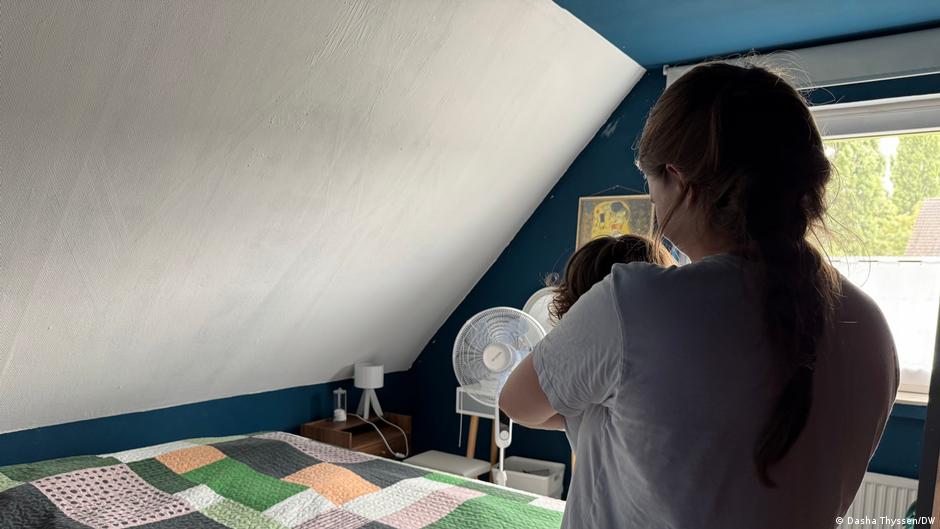
The personal experiences of individuals like Darya, a resident of Bochum, highlight the severity of the situation. Upon returning from a trip to Turkey, Darya found her attic apartment's indoor temperature soaring to 31°C (87.8°F), surpassing the temperatures she had encountered at the Turkish seaside. With external temperatures reaching an oppressive 39°C, her south-facing flat, lacking external blinds or air conditioning, transformed into what she described as a 'thermos.' Despite efforts such as blackout curtains and fans, her home, especially the bedroom with its dark walls, offered little respite. While her apartment's triple-glazed windows and insulated facade provide excellent protection against winter cold, these features become detrimental during extreme heat, trapping warmth indoors.
The Human Cost of Heatwaves
The urgency of addressing this issue is underscored by alarming statistics. According to the EU's climate monitor, Copernicus, June 2026 was recorded as the hottest June in Western Europe and the second hottest globally. The Robert Koch Institute (RKI) has reported an estimated 5,120 heat-related deaths in Germany in 2026 alone, with a significant number occurring during the late June heatwave. This figure represents a substantial increase compared to the 2,600 heat-related deaths estimated for the entirety of 2025.
Trinidad Fernandez, head of the Climate Transition Strategies Unit at the Fraunhofer Institute for Industrial Engineering (IAO), emphasizes that protecting individuals from extreme heat should be considered a public health measure. She advocates for integrating heat resilience as a fundamental requirement in both housing design and urban planning, shifting the perspective from an emergency response to proactive prevention.
Legal Gaps in Tenant Protection
A substantial portion of Germany's population, over half, lives in rented accommodation, making it the highest proportion in the EU. While tenancy agreements often stipulate minimum indoor temperatures for winter (e.g., 21°C), they typically lack provisions for maximum summer temperatures. Michael Selk, a lawyer specializing in rental law, explains that under Federal Court of Justice rulings, tenants have a right to adequately warm rooms but no explicit right to cooling. This legal disparity, he suggests, likely stems from Germany's historical climate patterns.
Although modern buildings in Germany are now required to incorporate measures to limit summer overheating under the Building Energy Act (GEG), a significant challenge remains: approximately 75% of Germany's housing stock was constructed before 1990, predating current heat protection standards. Consequently, many renters reside in buildings that do not meet contemporary requirements, and landlords are generally not obligated to upgrade properties to current standards unless the property was deficient even by the standards of its construction era.
Selk notes that landlords are typically only required to provide the standard of building quality that was applicable at the time of construction. Therefore, tenants usually cannot demand modernization. While some lower courts have ruled in favor of tenants in cases of extreme overheating, these rulings often pertain to buildings that failed to meet the heat protection standards of their construction period or were deemed generally uninhabitable.
Shifting Towards Proactive Solutions
The prospect of rapid changes to German tenancy law to specifically address summer overheating appears limited, according to Selk. He believes a significant shift would likely require a case reaching the Federal Court of Justice, potentially leading to an exception based on health protection, similar to past rulings concerning toxins like PCP or lead pipes. Such an exception would compel landlords to comply with modern standards rather than historical ones.
Selk points out that commercial leases sometimes reference occupational health and safety regulations, which often set a 26°C threshold for workplaces, above which measures to reduce heat exposure should be considered. He personally advocates for a similar temperature limit in residential tenancies, citing the German Basic Law's guarantee of physical integrity. However, he also believes landlords should retain autonomy in determining how to achieve cooling.
Climate researcher Fernandez advocates for a systematic approach, moving from reactive emergency responses to proactive 'prevention by design.' This involves integrating active and passive cooling strategies into building and neighborhood designs tailored to specific needs.
Financial Considerations and Policy Direction
Financing is a crucial aspect of implementing improved heat protection. Fernandez suggests that the government establish clearer temperature standards for both new and existing buildings, accompanied by the necessary financial support. Inka-Marie Storm, chief legal counsel for Haus & Grund, Germany's largest real estate association, emphasizes the need for stable economic conditions, investment-friendly subsidy programs, tax incentives, and practical tenancy laws that facilitate the financing of modernizations. She highlights that summer heat protection is often part of broader modernization projects, and with adequate support, both landlords and tenants stand to benefit.
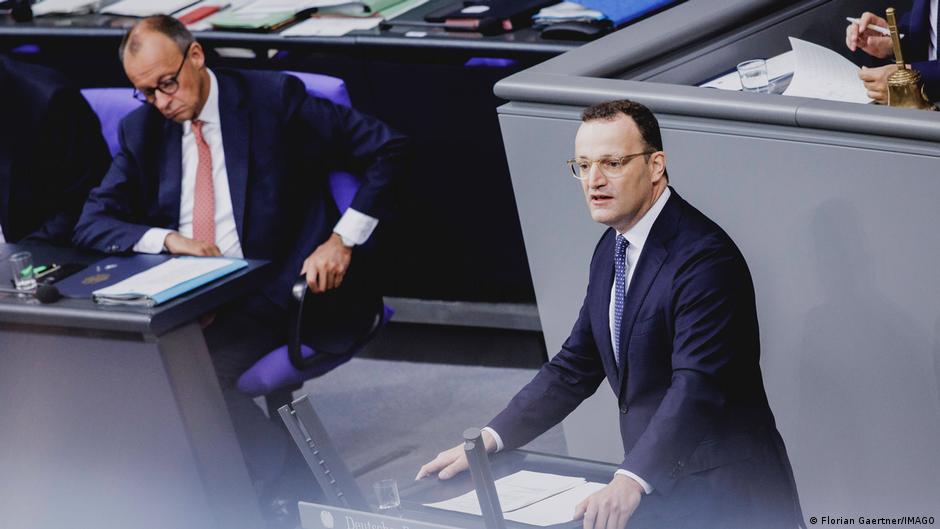
Chancellor Friedrich Merz's recent remarks underscore the governmental recognition of this issue. At his summer press conference, he stated, "We cannot stop climate change from within Europe, and that is why a second major challenge will be to live with climate change — and this must be reflected in building codes, in healthcare and in the protection of particularly vulnerable groups."
For families like Darya's, the immediate solution often involves temporary escapes. During the recent heatwave, her family sought refuge in an air-conditioned hotel when their one-year-old daughter struggled with the heat. While this offers temporary relief, it is not a sustainable long-term solution as heatwaves become more frequent and severe, potentially making such options less accessible and affordable. The ongoing struggle for German tenants highlights an urgent need for comprehensive policy changes and investment in climate-resilient housing.