Former Health Minister's Surrogacy Journey Sparks National Debate
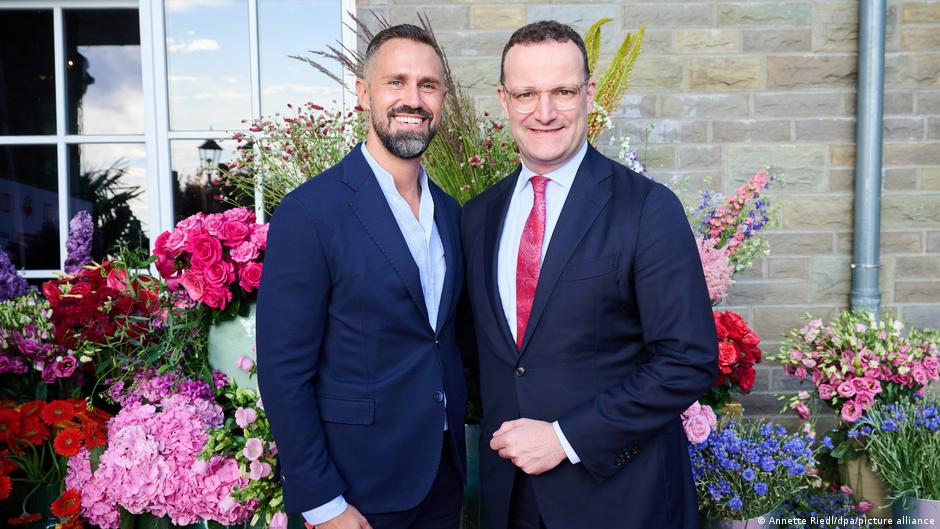
Jens Spahn, a leading figure in Germany's conservative Christian Democratic Union (CDU) and former Federal Health Minister, has recently announced the arrival of his child, conceived through a surrogate mother in the United States. This personal news has rapidly evolved into a significant political and ethical discussion in Germany, primarily because commercial surrogacy is prohibited within the nation's borders. Spahn, who previously opposed legalizing surrogacy in Germany, shared his joy with the German tabloid BILD, stating, "It's hard to put this feeling into words. My husband has become a dad, and so have I. Georg is our whole world."
The revelation has brought into sharp focus the differing legal frameworks surrounding surrogacy internationally and the complexities faced by German citizens who pursue such paths abroad. In Germany, while the act of raising a child born through international surrogacy is not illegal for the parents, the medical practitioners and intermediaries involved in such procedures within Germany face potential prosecution. This legal nuance allows German citizens to become parents via surrogacy in countries where it is permissible, such as certain states in the US, without facing legal repercussions upon their return.
CDU's Firm Stance on Surrogacy Challenged
The CDU, Spahn's political party, has consistently maintained a strong opposition to the legalization of surrogacy in Germany. As recently as February 2026, the party reaffirmed its position at its federal convention, passing a resolution that explicitly called for surrogacy, including altruistic models, to remain prohibited. The resolution cited "ethical, legal and practical concerns regarding surrogacy," emphasizing the party's desire "to prevent abuse, exploitation and health risks."
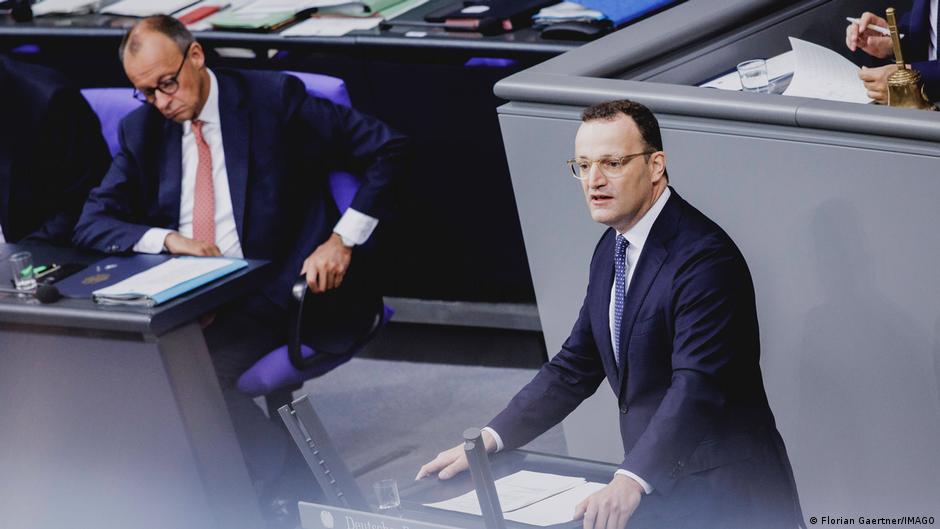
Interestingly, at the time this resolution was passed, Spahn, who holds the significant position of leader of the CDU/CSU parliamentary group in the Bundestag, was present at the convention. Concurrently, a surrogate mother in the US was already pregnant with the child of Spahn and his husband, Daniel Funke. This timeline has led to accusations of hypocrisy and a perceived disconnect between Spahn's public political stance and his private actions.
A History of Opposition and Current Accusations of Double Standards
Throughout his political career, Jens Spahn has been an outspoken critic of surrogacy. In a 2015 interview with GQ magazine, he expressed personal reservations, stating, "As a gay man and a Christian, I personally find it very difficult to come to terms with the idea of a 'rented womb.'" However, he also acknowledged the emotional struggle, adding, "Accepting that I will not become a father naturally requires a great deal of humility. I don't know if I can muster that."
Later, in 2020, during his tenure as health minister, Spahn actively opposed efforts by the neoliberal Free Democratic Party (FDP) to initiate a debate on liberalizing Germany's surrogacy laws. At the time, he reiterated the CDU's arguments against surrogacy, further suggesting that the practice could lead to "particular difficulties in the child's sense of identity." These past statements are now being juxtaposed with his recent personal choices, fueling accusations of double standards from various political factions.
Calls for Resignation and Political Fallout
The controversy has elicited strong reactions from within Spahn's own party and from the opposition. Daniel Peters, head of the CDU in Mecklenburg-Western Pomerania, publicly called for Spahn's resignation, asserting that Spahn's actions undermine his role as a "role model within the Union." Peters argued that by utilizing a surrogate mother in the US, Spahn "deliberately flouted the law that's in force in Germany" and that his claim of acting differently as a private individual than as an elected official was "absolutely unacceptable."
Hubert Hüppe, chairman of the CDU seniors' organization, expressed shock, telling Focus magazine that it was "not right for politicians to use their power and money to circumvent that ban." Opposition voices also weighed in, with Kathrin Gebel, spokesperson for women's issues for the socialist Left Party, stating that "Political standards should apply to private life as well." Janosch Dahmen, health policy spokesperson for the Greens, accused Spahn of double standards, demanding that "Any politician who promotes regulations should explain clearly why they apparently don't apply to him personally."
Notably, Chancellor Friedrich Merz, who also leads the CDU, has refrained from public criticism. He confirmed that Spahn had informed him of the impending parenthood and that he had extended congratulations. Spahn has navigated numerous controversies in the past, including legal disputes related to the procurement of protective masks during the COVID-19 pandemic. Despite these challenges, he has maintained a significant level of political influence. The long-term impact of this current debate on his political standing remains to be seen.