Strategic Defense Enhancement: Germany to Procure Tomahawk Missiles
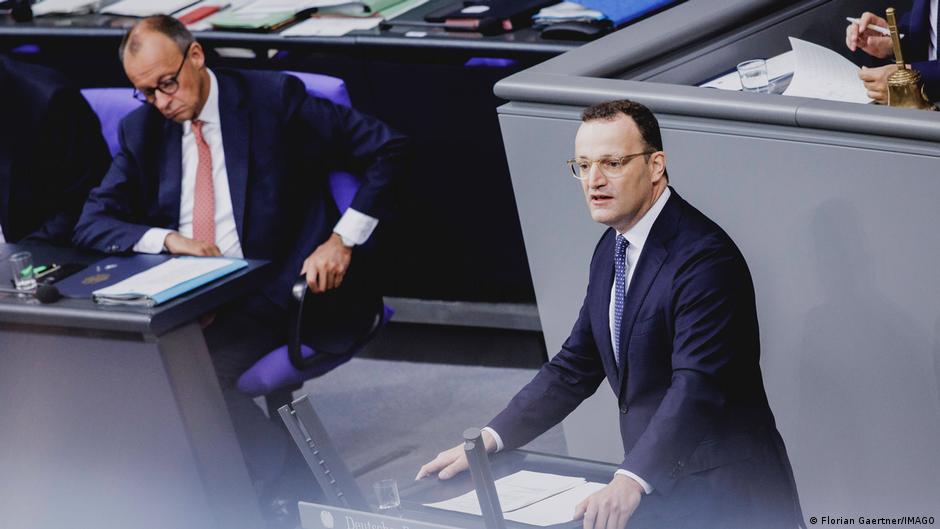
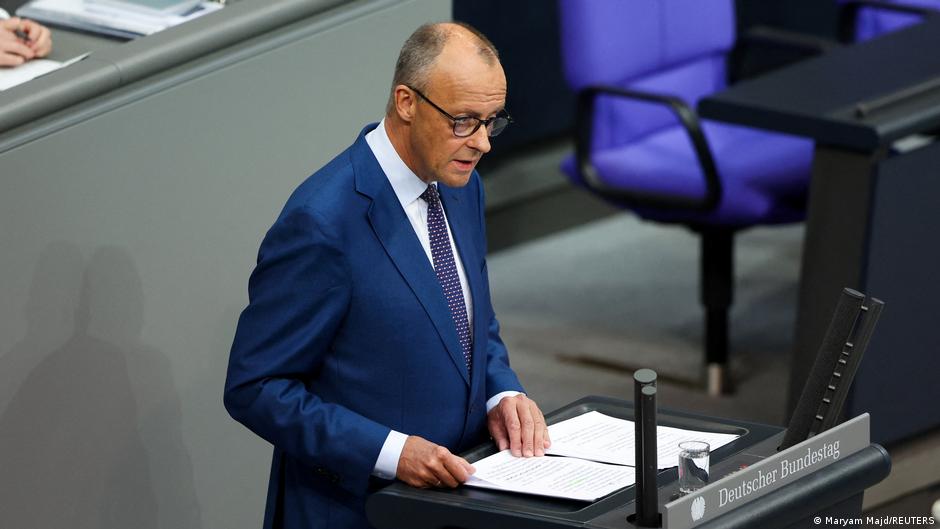
Chancellor Friedrich Merz recently informed the German Bundestag about an agreement to purchase US Tomahawk cruise missiles. This acquisition, reportedly finalized during a NATO summit, marks a significant development in Germany's defense strategy. Merz emphasized that this decision aims to address an "important strategic gap in our defense," signaling a commitment to bolstering the nation's military capabilities in a dynamic geopolitical landscape.
Addressing Strategic Gaps in National Defense
The Chancellor's statement underscores a perceived deficiency in Germany's current defense infrastructure, which the introduction of Tomahawk missiles is intended to rectify. These advanced cruise missiles are known for their long-range precision strike capabilities, offering a versatile tool for various military operations. The integration of such weaponry into the Bundeswehr's arsenal could significantly alter Germany's strategic posture, enhancing its ability to project power and deter potential threats.
The decision comes at a time when European security concerns are heightened, prompting many NATO member states to re-evaluate and reinforce their defense expenditures and capabilities. Germany, historically cautious about military expansion, appears to be adopting a more assertive stance in its security policy, aligning with broader trends within the alliance to strengthen collective defense.
Implications for European Security and NATO
The planned acquisition of Tomahawk missiles by Germany is likely to have broader implications for European security and the operational dynamics of NATO. As a key member of the alliance, Germany's enhanced military capacity contributes to the overall strength of NATO's deterrence and defense posture. The deployment of these missiles within Germany could provide NATO with additional strategic options and flexibility in responding to crises.
Furthermore, this move could encourage other European nations to review their own defense needs and consider similar procurements, potentially leading to a more robust and integrated European defense architecture. However, such developments also raise questions about arms control, regional stability, and the potential for an arms race, issues that will undoubtedly be subjects of ongoing debate among international stakeholders.
Domestic and International Reactions
Domestically, the announcement is expected to generate considerable discussion within the German political sphere. While proponents will likely highlight the necessity of strengthening national security and fulfilling alliance commitments, critics may raise concerns about the financial costs, the ethical implications of acquiring offensive weapons, and the potential for escalation in international conflicts. The Bundestag's role in scrutinizing this decision will be crucial, with debates likely focusing on the strategic rationale, budgetary allocations, and the long-term consequences of such a significant military investment.
Internationally, reactions will vary. Allies will likely welcome Germany's commitment to enhancing its defense capabilities, viewing it as a positive step towards burden-sharing within NATO. Adversaries, however, may interpret the move as a provocative escalation, potentially leading to increased tensions. The United States, as the supplier of the Tomahawk missiles, will undoubtedly view the agreement as a strengthening of transatlantic defense cooperation and a boost to its defense industry.
The Technical Capabilities of Tomahawk Missiles
The Tomahawk cruise missile is a sophisticated, all-weather, long-range, subsonic cruise missile launched from naval surface ships and submarines. It is designed to strike a variety of targets, including hardened structures and air defense systems, with high precision. Its advanced guidance systems, including GPS and terrain contour matching, allow it to navigate complex routes and hit targets with exceptional accuracy, even in challenging environments. The ability to launch these missiles from various platforms provides significant operational flexibility, making them a valuable asset for modern militaries.
The acquisition process will likely involve extensive training for German military personnel on the operation and maintenance of these complex weapon systems. This will require significant investment in human capital and infrastructure to ensure effective integration into the Bundeswehr's operational framework.
Looking Ahead: Germany's Evolving Defense Posture
Chancellor Merz's announcement signals a notable shift in Germany's defense policy, moving towards a more proactive and robust stance in international security affairs. The procurement of Tomahawk missiles is not merely an equipment upgrade but a strategic reorientation that reflects Germany's evolving understanding of its role in a complex and often volatile world. As the process unfolds, the implications for Germany, Europe, and the broader international community will continue to be a subject of close observation and analysis.
Source: Original Article