Deep-Seated Rivalry Set to Ignite 2026 World Cup Semifinal
The impending 2026 World Cup semifinal match in Atlanta between reigning champions Argentina and England is poised to be more than just a football game. It will unfold against a backdrop of a profound and often contentious history shared by the two nations, a narrative that intertwines political events with iconic sporting moments.
The Falklands War: A Lingering Shadow
A significant part of this historical context stems from the Falklands War, known in Argentina as the Malvinas War. In April 1982, General Leopoldo Galtieri, then leading Argentina's military junta, ordered the invasion of the Falkland Islands. This act prompted a swift response from Great Britain's Prime Minister Margaret Thatcher, who dispatched a substantial task force comprising approximately 26,000 troops to reclaim the territory. The conflict, lasting 74 days, concluded with Argentina's surrender on June 14, 1982.
For Argentines, the origins of this dispute trace back to 1833, when the United Kingdom reportedly assumed military control of the islands, situated about 500 kilometers (300 miles) off Argentina's eastern coast, from Argentine authorities. Decades later, in 2016, Argentina sought negotiations with the United Kingdom regarding the Falklands. While these discussions did not alter sovereignty, they did foster cooperation on practical issues. The human cost of the Falklands War was substantial, claiming the lives of hundreds of soldiers from both sides.
Football as a Mirror of National Sentiment
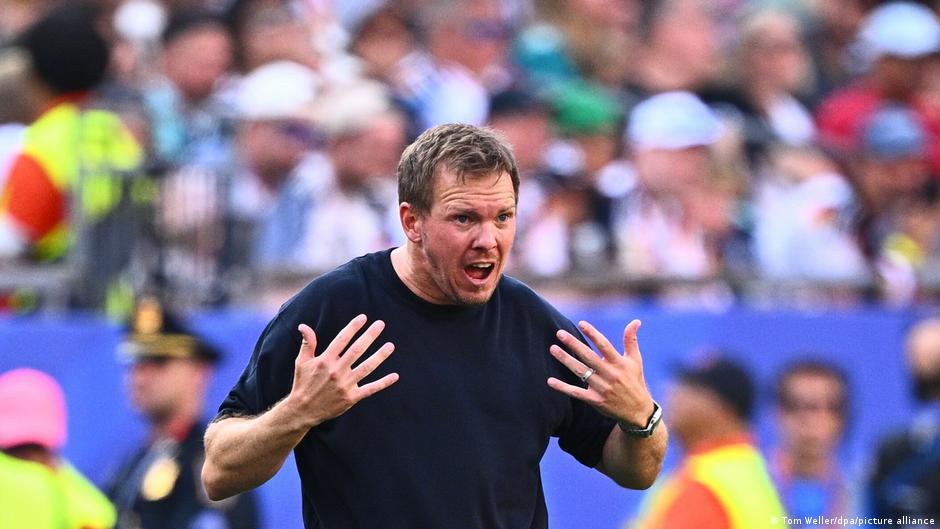
Despite efforts by some to compartmentalize sports from politics, the sentiment surrounding the England-Argentina rivalry frequently blurs these lines. When questioned about the historical significance influencing the upcoming game, Argentina's head coach Lionel Scaloni firmly stated, "No, no, no. This is just a football match. Let’s not look for other stuff. It’s a football game against a great team, with a great manager who I admire. But it’s a football match. End of."
However, not everyone shares this perspective. Argentina's Vice President Victoria Villarruel, for example, posted a provocative message on social media prior to the game, declaring, "Tomorrow we play against the usurping pirates. This isn't just another match. I'm not going to be politically correct or cold-hearted; against the English, it's always something more. It's the Malvinas, it's Diego, it's Leo's last one, and it's putting the brakes on the invaders. Go Argentina! Because until our last breath, we're going to claim what's ours!" This statement underscores the deep emotional and historical layers that often accompany this particular fixture.
Iconic Moments on the Pitch
The intensity of the rivalry is profoundly shaped by some of the most memorable and controversial moments in football history. The roots of this sporting animosity can be traced back to the 1966 World Cup quarterfinals, where England defeated Argentina. This match was marred by controversy, with Argentina believing Geoff Hurst's goal was offside and their captain, Antonio Rattin, being controversially sent off. England's then-head coach Alf Ramsey reportedly referred to the Argentine players as "animals," further inflaming tensions.
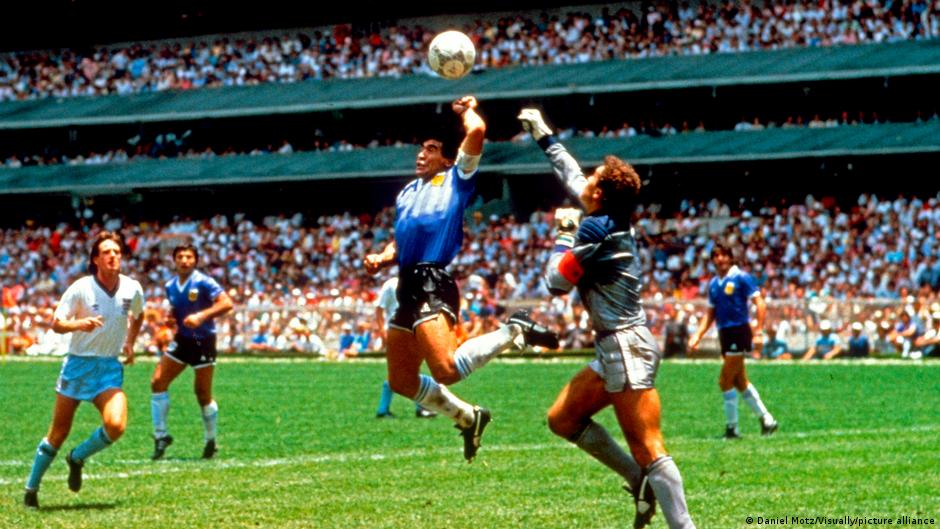
However, it was the 1986 World Cup quarterfinal, just four years after the Falklands War, that produced perhaps the most iconic and infamous encounter. In Mexico City's Azteca Stadium, Diego Maradona scored two goals against England that would forever be etched in football lore. The first, famously known as the "Hand of God," involved Maradona deliberately using his hand to score. The second was a breathtaking solo effort, where he dribbled past multiple English defenders to score what is often regarded as one of the greatest goals of all time. Years later, Maradona reflected in his 2000 autobiography, saying, "This was our revenge, it was... recovering a part of the Malvinas. We all said beforehand that we shouldn't mix the two things but that was a lie. A lie! We didn't think of anything except that, like hell it was going to be just another game."
The rivalry continued in the 1998 World Cup, where David Beckham was sent off, leading to Argentina's victory on penalties. Beckham faced intense criticism upon his return, but four years later, he found redemption, scoring a penalty that secured England's victory and eliminated Argentina from the tournament before the knockout stages.
A New Chapter Awaits
This rich and often turbulent history lends an extraordinary weight to the upcoming 2026 semifinal. For Argentina, led by Lionel Messi, the opportunity to become the first nation to defend their World Cup title since Brazil in 1962 presents a monumental challenge. England, on the other hand, seeks to end a six-decade wait since their last World Cup final appearance, which they famously won at home in 1966. Whether it is Lionel Messi or Harry Kane who ultimately makes the decisive impact, this match is certain to add another compelling chapter to one of football's most enduring and passionate rivalries.
Source: England vs. Argentina: A football rivalry full of history