
The Strait of Hormuz: A Vital Chokepoint
The Strait of Hormuz, a narrow waterway connecting the Persian Gulf to the open ocean, remains a critical artery for global commerce. Approximately one-fifth of the world's total oil consumption, along with a significant portion of liquefied natural gas, transits through this strategic chokepoint daily. Its geographical significance grants any nation with substantial control over its waters considerable influence on international energy markets and maritime trade. Iran, situated along the northern shore of the Strait, has historically leveraged this position as a key component of its foreign policy and defense strategy.
Recent Demonstrations of Capability
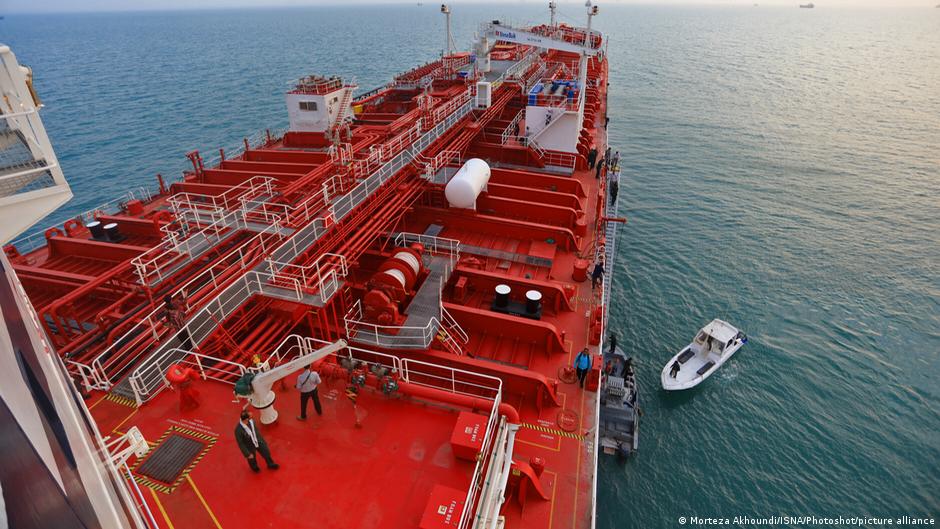
Recent actions attributed to Iran and its proxies have underscored its ability to interfere with maritime traffic in and around the Strait. These incidents, ranging from drone attacks to the seizure of commercial vessels, demonstrate Tehran's readiness to project power and create instability in the region. Such actions inevitably lead to heightened insurance premiums for shipping, increased operational costs for energy companies, and a general sense of unease among nations reliant on the uninterrupted flow of goods through the Strait. The immediate impact often manifests as fluctuations in global oil prices, reflecting market anxieties about potential supply disruptions.
Regional Dynamics and International Responses
Iran's activities in the Strait of Hormuz invariably draw in its Gulf neighbors, many of whom are major oil producers and key allies of Western nations. The prospect of regional escalation compels these countries to enhance their security measures and often leads to increased military presence from international powers, particularly the United States. This dynamic creates a complex web of alliances and rivalries, where any Iranian move in the Strait can have cascading effects on regional stability and international relations. The United States, with its long-standing commitment to ensuring freedom of navigation, typically responds to such threats with diplomatic pressure, economic sanctions, and, when deemed necessary, military posturing.
Tehran's Leverage Over Washington
The core question revolves around the actual extent of Tehran's leverage over Washington. While Iran can undoubtedly cause significant economic disruption and heighten regional tensions, its capacity to fundamentally alter U.S. policy through actions in the Strait is subject to debate. The U.S. and its allies have invested heavily in naval capabilities and contingency plans to counter potential blockades or sustained disruptions. Moreover, the global energy market, while sensitive to immediate shocks, has also developed some resilience through diversified supply chains and strategic petroleum reserves. Therefore, while Iran can inflict pain, its ability to dictate terms to a global superpower through this tactic is not absolute.
The Risk of Backfire
Iran's high-risk strategy carries inherent dangers. Any significant disruption to global energy supplies could provoke a more forceful international response, potentially leading to military confrontation. Such an outcome would likely have devastating consequences for Iran's economy and its regional standing. Furthermore, sustained aggressive actions could alienate potential allies and further isolate the country on the international stage. The international community largely views the free passage through the Strait of Hormuz as a fundamental principle, and any nation seen as consistently undermining this principle risks severe repercussions.
Alternative Strategies and Future Outlook
Beyond direct military confrontation, Iran's strategic options include various forms of asymmetric warfare and cyber operations, which could also target critical infrastructure or disrupt maritime communications. However, these tactics also carry risks of escalation and miscalculation. For the international community, the challenge lies in deterring Iranian aggression while avoiding unintended escalation. This often involves a combination of diplomatic engagement, economic sanctions, and a credible military deterrent. The long-term stability of the Strait of Hormuz, and by extension global energy markets, hinges on a delicate balance of power and a shared commitment to de-escalation.
Ultimately, while the Strait of Hormuz remains a potent strategic asset for Iran, its utility as a 'trump card' is qualified by the potential for severe international backlash and the robust response capabilities of major global powers. Tehran's calculus must weigh the immediate gains of projecting power against the long-term risks of isolation and conflict.
Source: Original Article