Global Development Goals Face Significant Hurdles
With less than five years remaining until the 2030 deadline for the United Nations Sustainable Development Goals (SDGs), a recent report from the international body indicates that progress is severely hampered by a confluence of global crises. Despite initial commitments made over a decade ago to eradicate poverty, reduce inequalities, and combat climate change, many critical targets are off track, with some even regressing below 2015 baseline levels. The report underscores that approximately one in ten individuals worldwide still endure extreme poverty, while over two billion face moderate or severe food insecurity. Furthermore, the number of people affected by climate-related disasters has more than doubled since 2015, painting a stark picture of the challenges ahead.
UN's Ambitious Agenda and Mixed Results
In 2015, the UN established 17 comprehensive goals, supported by 169 specific targets, aimed at fostering a more sustainable and equitable world. These goals encompass a wide array of objectives, including achieving zero hunger, ensuring access to clean water and sanitation, promoting good health and well-being, and expanding access to affordable and clean energy. While notable strides have been made in certain areas—such as nearly one billion people gaining access to safely managed drinking water, a reduction in new HIV infections and AIDS-related deaths, and global electricity access reaching 92%—progress in many other sectors has been insufficient or, in some cases, reversed.
The report reveals that nearly half of the SDG targets are advancing too slowly, and a concerning 15% have fallen below their 2015 starting points. Projections suggest that global extreme poverty will remain at 10% by 2026, only a marginal improvement from 2015 levels. Urban areas are also struggling, with about one in four residents living in slums or informal settlements. Environmental indicators are equally grim; the risk of extinction continues to worsen across all species groups, and global temperatures in 2025 reached 1.43 degrees Celsius above pre-industrial levels. Atmospheric CO2 concentrations are now at their highest in two million years, highlighting the urgency of climate action.
Intertwined Crises: Conflict, Climate, and Financial Shortfalls
UN Secretary-General Antonio Guterres has urged member states to redouble their efforts, particularly in light of a record 23% drop in official development assistance in 2025. He emphasized the need for a decisive final push to achieve the SDGs and build a prosperous future for all. The report attributes the stalled progress to several overlapping crises, predominantly surging violent conflicts that have erased years of developmental gains in mere months. The annual financing gap for SDGs in developing countries is estimated at a staggering $4 trillion, a figure dwarfed by record-high global military spending.
The ongoing conflict in the Middle East, for instance, has severely disrupted maritime traffic, impacting critical energy, fertilizer, and food supply chains. This disruption carries potentially severe long-term consequences for global food security, particularly in vulnerable regions such as Africa and parts of Asia. Although global hunger saw a slight decrease in 2024, largely due to post-pandemic economic recoveries in Southern Asia and Latin America, it remains higher than in 2015. Over 8% of the world's population experiences chronic hunger, and more than two billion people face inadequate food access at some point during the year, with hunger continuing to rise in Western Asia and Africa.
Water Scarcity and Climate Vulnerability
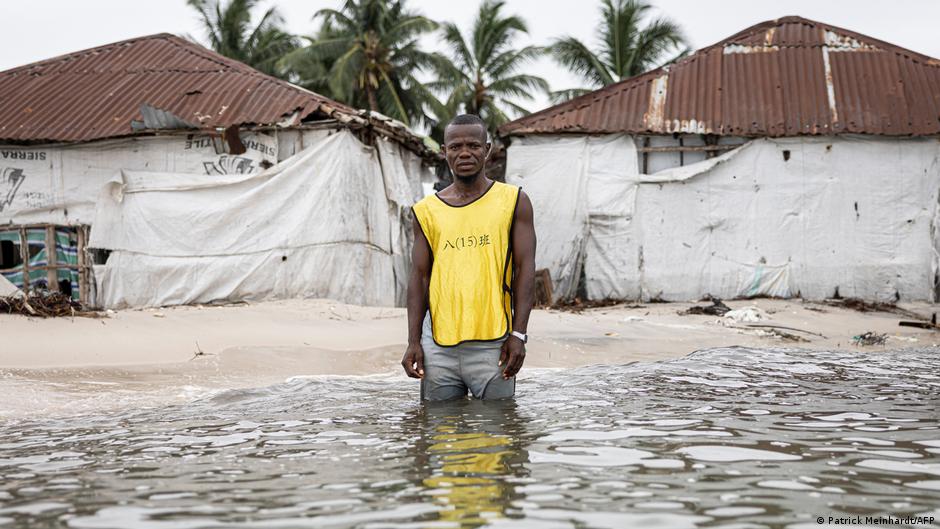
Despite improvements in access to clean drinking water for billions, water stress remains a critical issue in several regions. Ten percent of the global population resides in countries experiencing high or critical water stress levels. Nearly half of the world's nations have reported declining river flows, with Latin America, the Caribbean, and parts of Central and Southern Asia being the most severely affected. The period from 2015 to 2025 marked the hottest on record, and greenhouse gas emissions continued their upward trend, reaching a new record high in 2024. The ocean, which absorbs approximately 90% of atmospheric excess heat, recorded its highest temperature for the ninth consecutive year, contributing to melting ice caps, rising sea levels, more intense tropical storms, and the degradation of vital marine ecosystems like coral reefs.
Climate-exacerbated natural disasters continue to claim lives, destroy infrastructure, reduce incomes, and deepen debt cycles, increasing reliance on humanitarian aid. While the number of deaths from natural disasters has decreased by 65% over the past decade, the number of people affected by these events has more than doubled.
Electricity Access and the Housing Crisis
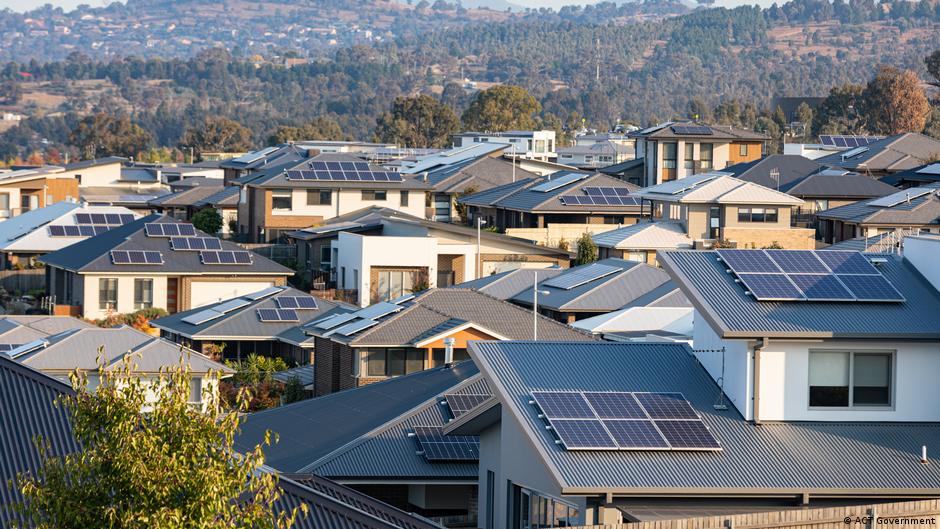
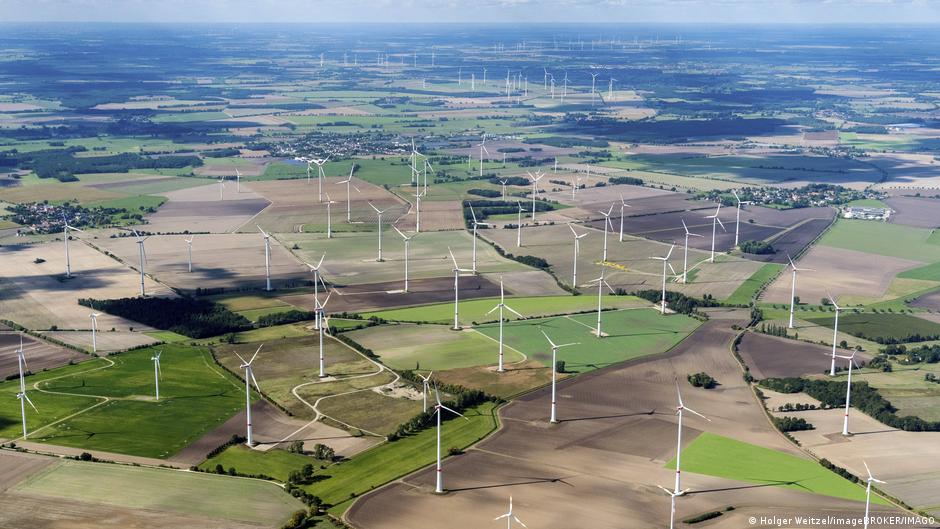
Modest gains in electricity access mean that 92% of the global population now has power, yet over 650 million people still lack this basic necessity. Projections suggest only a half-percentage point increase in access by 2030, with sub-Saharan Africa accounting for 86% of those without electricity globally. While renewable energy capacity has grown, particularly in developing countries, its scale is insufficient to meet international energy, climate, and development objectives.
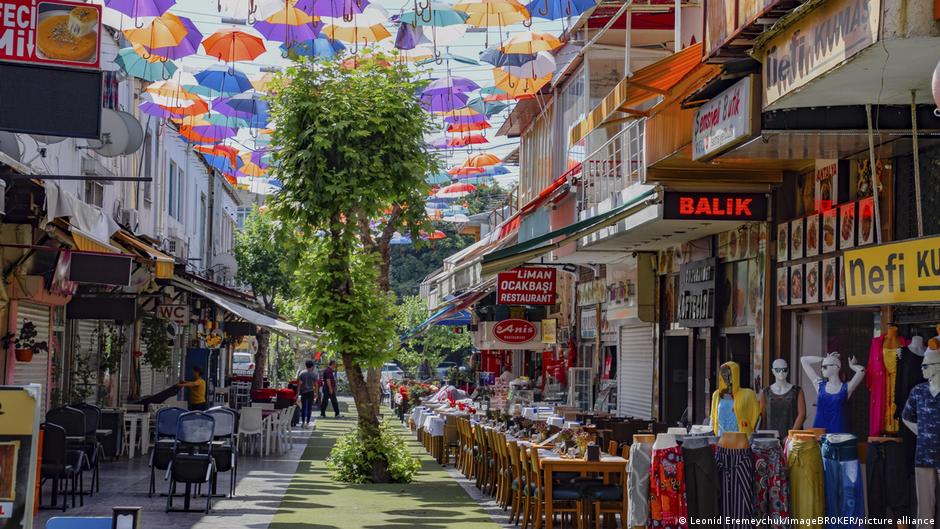
The global housing crisis is also intensifying, with the total number of people living in slums surging to over one billion, despite declines in some regions. Anaclaudia Rossbach, Executive Director of UN Habitat, highlighted that one in four people lack access to safe drinking water, sanitation, and secure housing. She stressed that addressing housing and informal settlements is fundamental to achieving all SDGs, arguing that a safe home is a prerequisite for educational and health advancements. Regions like Africa and Southeast Asia, which are projected to see an additional two billion urban residents, are particularly vulnerable to this growing housing challenge.
Urgent Call for Action
The UN is urgently calling upon countries to close the significant financing gap, accelerate the transition to renewable energy, and strengthen multilateral cooperation. The choices made over the next four years are deemed critical, with lasting implications for future generations. Li Junhua, UN Under-Secretary-General for Economic and Social Affairs, stated, “More than a decade of implementation has shown what is possible. The task now is to scale up what works — with the urgency, investment and cooperation needed to fulfill the promise of the 2030 Agenda.”
Source: Original Article