Historical Context and Commemoration
Poland recently marked a solemn day of remembrance for the victims of atrocities committed by a Ukrainian nationalist military unit during World War II. This commemoration has brought to the forefront long-standing historical grievances between the two nations. The events being remembered are deeply sensitive and involve significant loss of life, particularly among the Polish population in regions that are now part of Ukraine. The historical narrative surrounding these events is complex and often contentious, with both sides holding differing perspectives on culpability and victimhood. For Poland, these historical wounds remain unhealed, influencing contemporary political discourse and bilateral relations.
The specific unit in question, the Ukrainian Insurgent Army (UPA), is viewed by many in Poland as responsible for ethnic cleansing operations against Poles in Volhynia and Eastern Galicia between 1943 and 1945. Estimates of Polish casualties vary, but figures often range from tens of thousands to over 100,000. Ukrainian nationalists, conversely, often portray the UPA as a legitimate independence movement fighting against Soviet, Nazi, and Polish domination, and acknowledge that some of their actions were regrettable but framed within the context of a multi-front war for survival and statehood. The divergent interpretations of history have long been a source of friction, occasionally flaring up and complicating diplomatic efforts.
Evolving Dynamics of Polish-Ukrainian Relations
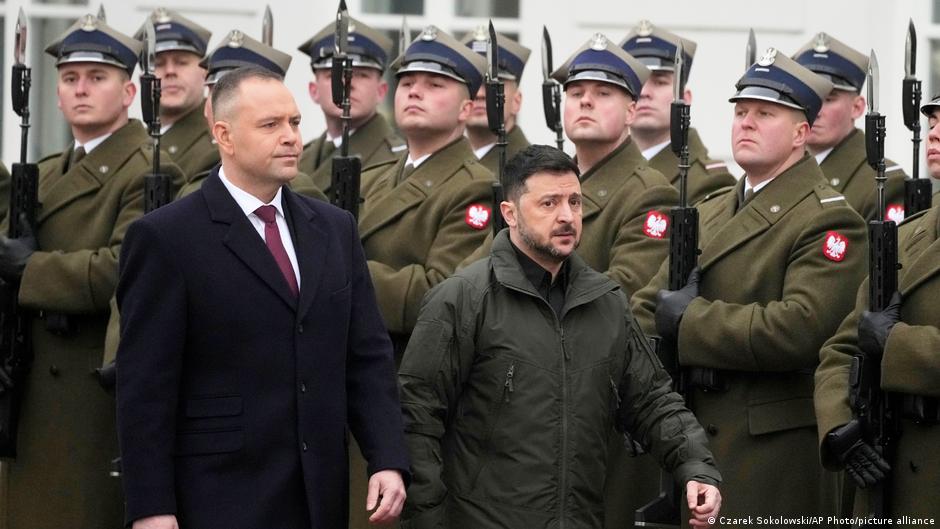
For much of the period since Russia's full-scale invasion of Ukraine in February 2022, Poland has been one of Ukraine's staunchest allies, providing substantial military, humanitarian, and political support. This robust backing was rooted in a shared geopolitical interest in countering Russian aggression, as well as a sense of solidarity with a neighboring nation under attack. Poland opened its borders to millions of Ukrainian refugees, supplied a significant portion of its own military equipment, and advocated strongly for Ukraine within the European Union and NATO. This period of close cooperation was widely seen as a positive development, transcending past historical differences in the face of an existential threat.
However, recent developments suggest a potential shift in this dynamic. The commemoration of the Volhynian massacres, coupled with other bilateral issues, appears to be contributing to a cooling of relations. While the immediate catalyst for the current tension is historical memory, it is important to note that other factors, such as disputes over grain imports and logistical challenges at border crossings, have also played a role in straining the relationship. These multifaceted challenges collectively create an environment where previously strong alliances can be tested and re-evaluated.
Implications for Military Aid
Against this backdrop, there are increasing indications that Poland might reconsider the extent of its military aid to Ukraine. While no official announcement of a complete cessation has been made, statements from Polish officials have hinted at such a possibility. Any reduction in aid from Poland would have significant implications for Ukraine, given Poland's strategic location as a key transit hub for Western military supplies and its substantial contributions of weaponry and ammunition. Poland has been instrumental in facilitating the flow of aid, and any disruption could complicate Ukraine's efforts to sustain its defense against Russian forces.
The potential for a reduction in aid underscores the delicate balance between historical remembrance, national interests, and geopolitical imperatives. For Poland, supporting Ukraine has been a matter of both principle and pragmatism, but the domestic political climate and the enduring pain of historical grievances are powerful forces that cannot be easily set aside. The decision to potentially scale back support is likely a complex one, reflecting internal political pressures and a desire to address long-standing historical narratives that resonate deeply with the Polish electorate.
Looking Ahead: Navigating a Complex Relationship
The situation highlights the intricate nature of international relations, especially between nations with intertwined and often painful histories. While the immediate need to counter Russian aggression remains paramount for both Poland and Ukraine, the weight of the past continues to exert influence. How both countries navigate these historical tensions while simultaneously addressing the present-day conflict will be crucial. Diplomatic efforts will be essential to manage expectations, clarify intentions, and seek common ground. The international community, particularly Ukraine's Western allies, will be closely observing these developments, as any significant shift in Poland's stance could have broader implications for the collective effort to support Ukraine's sovereignty and territorial integrity.
The coming months will likely reveal the extent to which historical memory will shape Poland's ongoing engagement with Ukraine, and whether the strategic imperative of countering Russia will ultimately outweigh the domestic pressures stemming from unresolved historical issues. The challenge for both Warsaw and Kyiv will be to find a pathway that honors historical truths while also securing a stable and cooperative future.
Source: Original Article