Context of Russian Desertion and Asylum Seekers
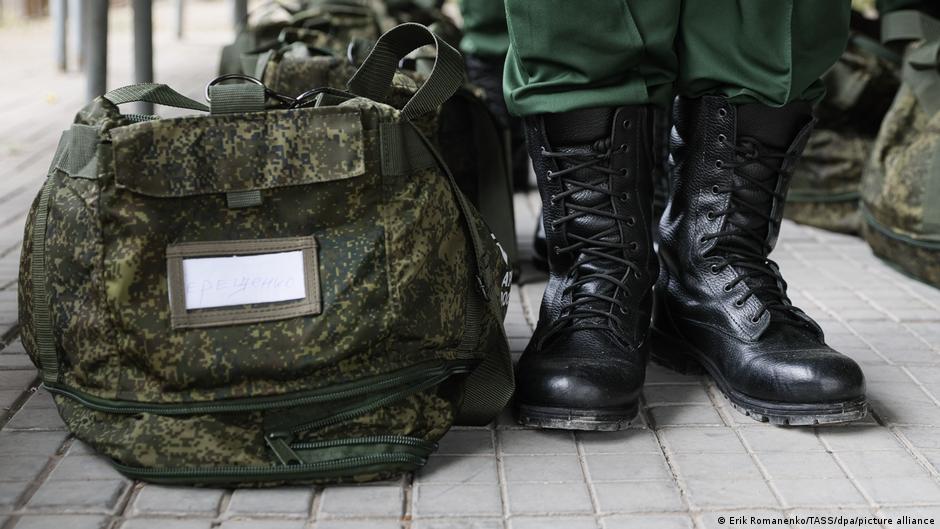
The ongoing conflict has compelled numerous Russian citizens to seek refuge abroad, particularly those attempting to avoid military conscription or active combat. Among these individuals are deserters from the Russian armed forces, who, upon arriving in countries like Germany, often seek asylum. Their narratives frequently highlight a dire choice between participation in a conflict they oppose and facing severe repercussions, including imprisonment, at home. These individuals often express a profound fear of being returned to a situation where their lives could be at risk, either on the front lines or within the Russian penal system.
German authorities, like those in other European nations, are tasked with evaluating these asylum claims under international and national legal frameworks. This process involves assessing the credibility of the applicant's fear of persecution and determining whether their situation meets the criteria for refugee status or subsidiary protection. The legal and political complexities surrounding these cases are considerable, as they involve balancing humanitarian concerns with national security considerations and immigration policies.
The Plight of Russian Deserters
Many Russian men who have deserted from the military or evaded conscription describe a moral and existential dilemma. They often recount being pressured into service, sometimes under threat, or facing difficult circumstances that left them with what they perceived as 'no choice but to run.' These individuals frequently express a deep-seated opposition to the conflict, citing ethical objections or a desire to avoid contributing to what they view as an unjust war. Their decision to desert is not made lightly, often involving significant personal risk and the severing of ties with their home country and families.
Upon reaching Germany, these deserters face a new set of challenges. The asylum process is often lengthy and arduous, requiring applicants to provide detailed accounts of their experiences and fears. Language barriers, cultural differences, and the psychological trauma of their experiences can further complicate their ability to present their cases effectively. The uncertainty of their future, coupled with the fear of potential deportation, creates a highly stressful environment for these individuals.
German Asylum Policy and Application Outcomes
Despite the compelling personal stories of Russian deserters, a significant majority of their asylum applications in Germany have reportedly been denied. This trend suggests a stringent application of asylum law by German authorities. The criteria for granting asylum typically require a well-founded fear of persecution based on race, religion, nationality, political opinion, or membership in a particular social group. While desertion from military service can, in some cases, be grounds for asylum, particularly if the individual faces disproportionate punishment or is forced to commit acts contrary to international law, each case is assessed on its individual merits.
The German government's stance appears to differentiate between those who simply evade conscription and those who can demonstrate a credible threat of persecution beyond standard military penalties. The high denial rate indicates that many applicants may not be meeting the specific legal thresholds required for asylum or subsidiary protection under current interpretations. This situation leaves many Russian deserters in a precarious legal limbo, uncertain of their future in Germany and facing the grim prospect of forced return.
"We spoke to one of the young men who fears he'll be sent back to die on the front lines."
Legal and Humanitarian Debates
The situation has ignited debates among human rights organizations, legal experts, and political commentators. Advocates for the deserters argue that denying asylum to individuals fleeing a conflict zone, especially those who refuse to participate in what they consider an illegal or immoral war, goes against humanitarian principles. They contend that forcing these individuals back to Russia could expose them to severe human rights violations, including lengthy imprisonment, torture, or even death, particularly if they are compelled to return to active combat.
Conversely, some argue that a more lenient asylum policy could open the door to a large influx of economic migrants or individuals whose claims do not genuinely meet the criteria for international protection. There are also concerns about setting precedents that could impact military discipline in other nations or be exploited by individuals seeking to circumvent legal immigration channels. The German government must navigate these complex considerations, balancing its international obligations with its national interests and resources.
Future Outlook for Russian Deserters in Germany
The future for Russian deserters in Germany remains uncertain. While some may eventually find alternative legal pathways to remain in the country, such as through humanitarian visas or other forms of temporary protection, the current trend of asylum application denials presents a significant challenge. The ongoing legal battles and appeals processes can be lengthy and emotionally draining, leaving many in a state of prolonged anxiety.
The international community continues to monitor the situation, with ongoing calls for European countries to develop a consistent and humane approach to Russian deserters and conscientious objectors. The outcomes of these cases will not only shape the lives of individual applicants but also contribute to the broader discourse on asylum law, international protection, and the responsibilities of states in times of conflict.
Source: DW