The Unveiling of Hidden Histories
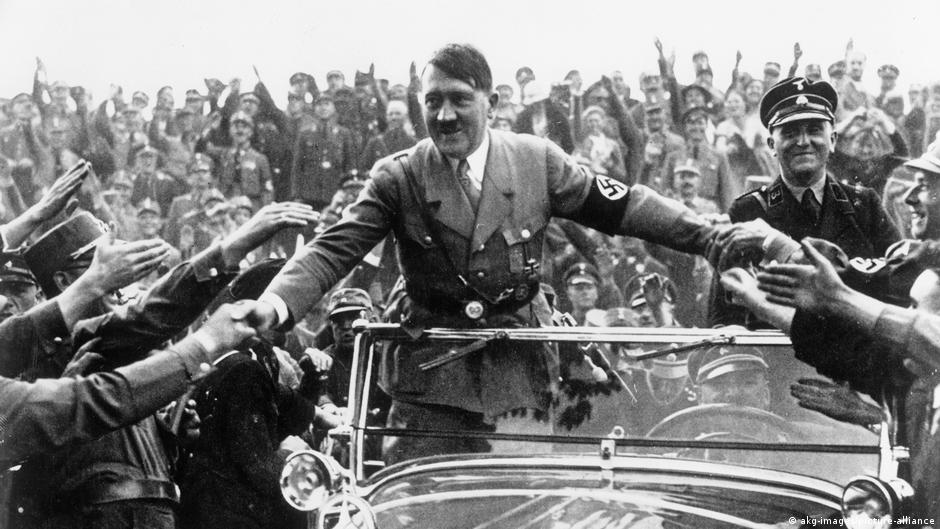
The digital age has brought with it unprecedented access to historical archives, and for many German families, this has led to profound and often unsettling discoveries about their lineage. The online availability of millions of membership cards from the National Socialist German Workers' Party (NSDAP) has become a catalyst for a collective re-examination of family histories, revealing that some ancestors, previously thought to be ordinary citizens, held affiliations with the Nazi regime.
For decades, family narratives in Germany have often presented a sanitized version of the past, particularly concerning the period between 1933 and 1945. Many families have passed down stories of ancestors who were victims, resistors, or simply apolitical individuals caught in extraordinary times. The reality, as uncovered by these digital records, is frequently more complex and challenging. Descendants are now grappling with the revelation that grandfathers, great-uncles, or other relatives, remembered fondly as kind and upstanding individuals, were in fact registered members of the party responsible for some of humanity's most heinous crimes.
The Impact of Digital Archives
The process of digitizing historical documents has democratized access to information that was once the exclusive domain of professional historians. While this has undoubtedly enriched our understanding of the past, it has also brought personal histories into sharp, often uncomfortable, focus. The sheer volume of NSDAP membership records now searchable online means that casual genealogical research can quickly uncover a family secret that might otherwise have remained buried. This accessibility transforms a broad historical event into a deeply personal one, forcing individuals to confront the uncomfortable truth about their family's involvement.
These discoveries challenge deeply ingrained family myths and societal perceptions. For many, the image of a beloved elder as a 'good person' clashes directly with the historical implications of NSDAP membership. This dissonance can lead to a range of emotional responses, from shock and denial to a profound sense of betrayal or shame. It also prompts critical questions about the nature of complicity, the pressures of conformity, and the extent to which individuals can truly know the full story of their ancestors.
The online availability of millions of membership cards from the National Socialist German Workers' Party (NSDAP) has become a catalyst for a collective re-examination of family histories.
Reconciling Personal and Historical Truths
The process of reconciling a personal, affectionate memory with a historical, politically charged reality is a complex psychological endeavor. Descendants often find themselves in a difficult position: how to honor the memory of a loved one while acknowledging their potential role in a regime that committed atrocities. This often involves a re-evaluation of family stories, seeking out additional historical context, and engaging in difficult conversations with living relatives.
Historians emphasize that NSDAP membership itself encompassed a wide spectrum of involvement, from fervent ideological commitment to pragmatic opportunism or even coercion. Not all members were active participants in atrocities, but membership undeniably signified a degree of support or at least acquiescence to the regime. Understanding these nuances is crucial for descendants trying to interpret their ancestors' actions, yet it does not diminish the weight of the discovery.
The Broader Societal Implications
Beyond individual families, these revelations have broader societal implications for Germany's ongoing process of Vergangenheitsbewältigung – the struggle to come to terms with the past. As more families uncover these uncomfortable truths, it reinforces the understanding that the Nazi regime was not an isolated phenomenon driven by a small group of fanatics, but rather a system that permeated many levels of society. This widespread individual involvement underscores the importance of continued historical education and remembrance.
The current generation, further removed from the events of World War II, is taking a fresh look at this period, often with a desire for greater transparency and a more complete understanding of their national and personal heritage. The digitization of records facilitates this introspection, ensuring that the lessons of history, however painful, continue to be confronted and learned.
Ultimately, these discoveries serve as a potent reminder that history is not a distant, abstract concept, but a living narrative that continues to shape identities and perspectives. For many Germans, the digital archive has transformed a distant historical epoch into an immediate, personal challenge, prompting a necessary and often difficult reckoning with their ancestral past.
Source: Original Article