Adapting to a Changing Climate: Urban Resilience
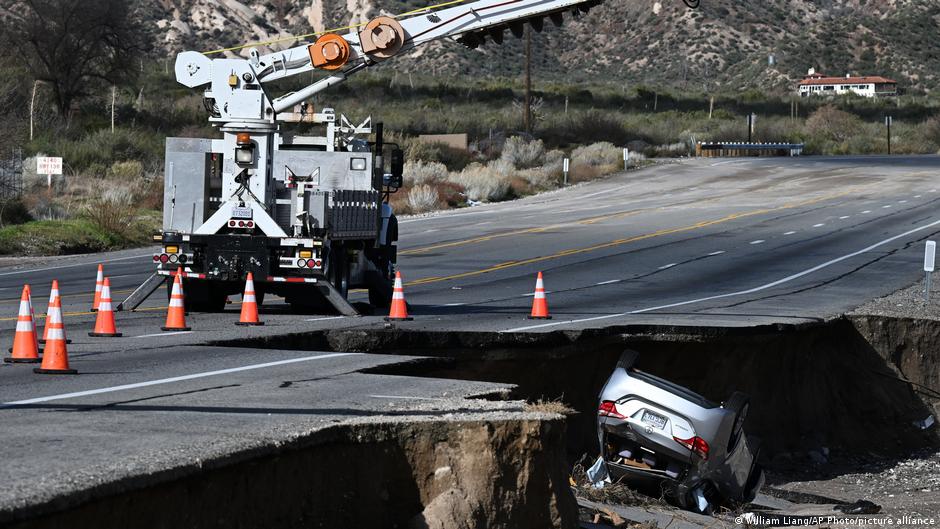
As global temperatures rise and weather patterns become increasingly unpredictable, urban areas are at the forefront of developing innovative solutions to mitigate the impacts of climate change. From managing water resources more effectively to fostering biodiversity, cities are demonstrating a proactive approach to building resilience against environmental pressures. The imperative to adapt is driven by a combination of factors, including more frequent extreme weather events, water scarcity in some regions, and the need to maintain livability for growing populations. This shift towards 'smarter' urban planning encompasses a wide array of strategies, moving beyond traditional infrastructure to integrate ecological principles and community engagement.
Revolutionizing Water Management for Future Security
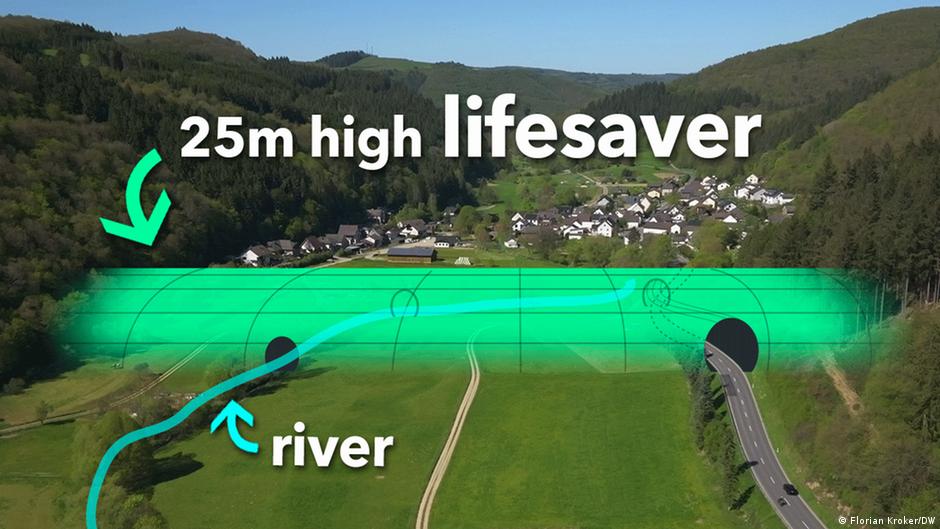
One of the most critical areas of urban innovation is water management. With projections indicating increased droughts and floods in various parts of the world, cities are rethinking how they source, distribute, and conserve water. This includes developing flood-resistant infrastructure, such as permeable surfaces, green roofs, and expanded stormwater retention systems, which help absorb excess water and reduce runoff. Beyond flood control, securing a reliable supply of drinking water is paramount. Technologies like advanced filtration systems, desalination plants, and wastewater recycling are becoming more prevalent, transforming what was once considered waste into a valuable resource. For instance, some cities are investing in sophisticated sensor networks to detect leaks in their water pipes, minimizing waste and improving efficiency. Others are exploring nature-based solutions, such as restoring wetlands and riparian zones, which naturally filter water and provide flood protection. These multi-faceted approaches aim to create a more sustainable and secure water future for urban residents.
Embracing Green Infrastructure and Biodiversity
Beyond water, cities are increasingly recognizing the importance of green infrastructure in enhancing urban resilience and quality of life. This involves integrating natural elements into the urban fabric, such as parks, urban forests, and community gardens. These green spaces not only improve air quality and reduce the urban heat island effect but also provide habitats for local wildlife and offer recreational opportunities for residents. The concept extends to 'green corridors' that connect different natural areas, facilitating biodiversity and ecological health within the city. Initiatives like vertical farms and rooftop gardens are also gaining traction, contributing to local food production and reducing the carbon footprint associated with food transportation. The emphasis is on creating a symbiotic relationship between the built environment and natural ecosystems, transforming concrete jungles into more vibrant and sustainable habitats.
Community Engagement in Conservation Efforts
A crucial aspect of these urban ecological wins is the involvement of local communities. Engaging residents in conservation efforts, from participating in tree-planting initiatives to adopting sustainable practices in their daily lives, amplifies the impact of city-level strategies. This community-driven approach is particularly evident in efforts to protect vulnerable ecosystems. For example, in some coastal regions, tourists and local volunteers are actively involved in sea turtle conservation programs, helping to protect nesting sites and hatchlings. Such participation not only contributes directly to conservation but also fosters a greater sense of environmental stewardship among the populace. Educational programs and public awareness campaigns play a vital role in mobilizing this support, highlighting the interconnectedness of urban life and natural environments.
Technological Advancements and Smart City Concepts
The integration of technology is central to many of these urban innovations. 'Smart city' concepts leverage data analytics, IoT devices, and artificial intelligence to optimize resource management, monitor environmental conditions, and improve urban services. For instance, real-time data on air quality, traffic patterns, and energy consumption can inform policy decisions and lead to more efficient resource allocation. Smart irrigation systems, guided by weather forecasts and soil moisture sensors, can significantly reduce water usage in parks and public spaces. Furthermore, predictive modeling helps urban planners anticipate future climate challenges and design more resilient infrastructure. This data-driven approach allows cities to make informed decisions, ensuring that investments in climate adaptation are both effective and sustainable in the long term.
Looking Ahead: A Holistic Approach to Urban Sustainability
The ongoing efforts in urban centers around the globe underscore a fundamental shift towards a more holistic and integrated approach to sustainability. By addressing water scarcity, flood risks, biodiversity loss, and resource consumption in a coordinated manner, cities are not just adapting to climate change but are also striving to create healthier, more equitable, and more resilient environments for their inhabitants. The lessons learned and innovations developed in these urban laboratories offer valuable insights for global climate action, demonstrating that with strategic planning, technological integration, and community involvement, it is possible to build a more sustainable future for all.
Source: Cities are getting smarter about water and other eco wins