Diplomatic Visit to Venice Under Scrutiny
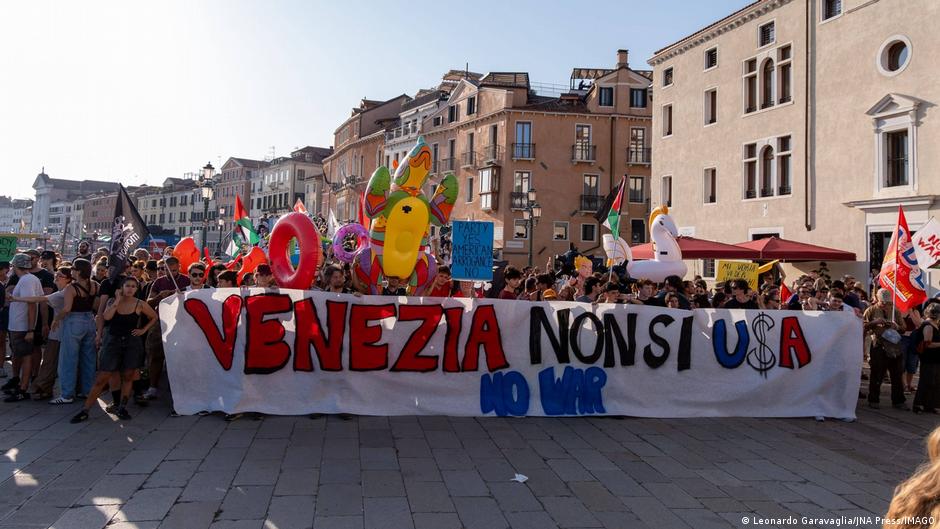
The recent visit of United States Ambassador Tilman Fertitta to Venice, Italy, has drawn considerable attention, largely due to public protests that accompanied his arrival. The ambassador, a prominent billionaire and appointee from the previous US administration, was in Venice as part of a broader tour commemorating the 250th anniversary of American independence. His presence, particularly his mode of transport – a personal luxury yacht – became a focal point for local activists and citizens.
The Context of the Visit
Ambassador Fertitta's tour is designed to mark a significant historical milestone for the United States. Such diplomatic engagements typically involve ceremonial events, meetings with local officials, and opportunities to strengthen bilateral ties. However, the choice of Venice, a city grappling with complex environmental and social challenges, and the ambassador's personal style of travel, inadvertently created a platform for public dissent.
Venice, renowned globally for its unique architecture and waterways, is simultaneously at the forefront of discussions concerning overtourism, the impact of large vessels on its delicate ecosystem, and the socio-economic pressures faced by its residents. The sight of a large private yacht in its iconic canals, against this backdrop, resonated deeply with local concerns.
Public Demonstrations and Their Motivations
Hundreds of individuals participated in the protests that greeted Ambassador Fertitta. The demonstrations were reportedly organized by various local groups and environmental activists who have long advocated for more sustainable tourism practices and greater protection for Venice's fragile environment. The protesters' grievances were multifaceted, encompassing issues such as the environmental impact of large yachts, the perception of excessive wealth in a city struggling with its own challenges, and broader criticisms of diplomatic conduct that might appear out of touch with local realities.
Chants and banners at the protests reflected a range of concerns, from calls for stricter regulations on maritime traffic in the Venetian lagoon to expressions of frustration over the perceived commercialization and degradation of their historic city. The demonstrations served as a powerful reminder that even official diplomatic visits can become catalysts for local activism, particularly when they intersect with deeply felt community issues.
Reactions and Broader Implications
The incident in Venice highlights an ongoing global dialogue about the intersection of diplomacy, wealth, and environmental responsibility. While diplomatic visits are essential for international relations, the manner in which they are conducted can significantly influence public perception and local sentiment. In an era of heightened awareness regarding climate change and social inequality, the optics of such visits are increasingly scrutinized.
For the United States, the protests in Venice, while localized, could prompt a review of how diplomatic engagements are perceived abroad, especially in culturally sensitive and environmentally vulnerable locations. It underscores the importance of understanding local contexts and sensitivities when planning international events, even those with celebratory or commemorative intentions.
Conversely, for Venice, the protests reaffirmed the city's commitment to preserving its heritage and addressing the challenges posed by modern tourism and maritime traffic. It demonstrated the active role that its citizens and advocacy groups play in shaping the narrative and future direction of their unique city. The event served as a public platform for these voices to be heard on an international stage, drawing attention to issues that extend beyond the specific diplomatic visit.
The ambassador's tour, intended to celebrate a historical milestone, inadvertently became a moment for reflection on contemporary issues, demonstrating the complex interplay between international diplomacy and local concerns.
Source: Original Article